Why Your Customers Aren't Leaving Reviews (And the 3-Step Fix)
Why are so many St. Louis businesses struggling to get customer reviews—even after delivering fantastic service? If you’ve been frustrated by low customer review counts and quiet comment sections, you’re not alone. Contrary to popular belief, the problem isn’t that customers are ungrateful or too busy. The real reasons why customers aren’t leaving reviews or customer feedback come down to friction, timing, and consistency. In this guide, you’ll get the expert-backed answer and a battle-tested 3-step fix proven to work for local businesses like yours.
Why Customers Aren't Leaving Reviews: The 3 Real Reasons
The answer to why customers aren't leaving reviews is almost never indifference—it’s about process. Through diagnosing the review struggles of hundreds of St. Louis businesses, three main causes keep popping up:
- Friction: Too many steps are required to leave reviews, causing drop-off—even for your happiest customers.
- Timing: Asking for customer reviews at the wrong moment (such as hours after the experience, or when the customer is distracted) drastically lowers your response rate.
- Inconsistency: If requests for reviews aren’t systematic, most satisfied customers are never asked, typically because staff are too busy or simply forget.
What You'll Learn From This Guide
- Understand the three most common reasons why customers aren't leaving reviews.
- How to remove friction from your review request process.
- When and how to ask for customer reviews at the right time.
- How to build a consistent, automated review system for your business in St. Louis.
- How these steps work together, based on insights from hundreds of local businesses.
Direct Answer: Why Aren't Customers Leaving Reviews?
“Most St. Louis businesses find low review rates aren’t caused by customer indifference—it’s about friction, timing, and process. Fix these, and request volume will rise.”
- Leaving reviews is often too hard or confusing for customers to leave reviews easily.
- Customer reviews and feedback aren't requested at the peak of customer satisfaction.
- The request for customer reviews isn’t consistent or automatic—most customers aren’t prompted at all.
Diagnosing the Real Problem: Not Just 'Busy Customers'
Why the 'Too Busy' Excuse Fails
It's a common belief that customers are just "too busy" to leave reviews, but real-world data and customer feedback tell a different story. Even delighted customers will abandon leaving reviews if the process is confusing, involves too many steps, or demands too much time. Research reveals that when businesses simplify the customer review process and ask for reviews at the right time, you'll see a dramatic uptick in customer review volumes. So rather than blaming customer apathy or laziness, the focus should be on fixing the system you control. When you cut friction and time your review request right, feedback helps boost your credibility and public presence—sometimes overnight.
- Even delighted customers forget or abandon reviews when the process is unclear or takes too long.
- Customer review volume dramatically increases when friction is reduced and requests are timely.

Are You Making It Too Hard to Leave Reviews?
Often, the reason customers don’t leave reviews is because they face a clumsy process: searching for your business online, hunting through listings, and writing a lengthy review from scratch. These obstacles cause even loyal St. Louis customers to bail before hitting “submit. ” The principle is simple: less friction always equals more reviews. By providing a direct link or QR code and making the customer review process fast and mobile-friendly, you make it easy for every customer to leave reviews right when they’re most likely to do so. When customers to leave reviews is as easy as a single click or scan, you empower their feedback and boost your business reputation.
- Steps like searching for your business, sorting through listings, and writing long reviews deter even loyal St. Louis customers from leaving reviews.
- Less friction = more reviews.
For a deeper dive into practical tactics that streamline your review process, you might find it helpful to explore additional digital marketing strategies tailored for St. Louis businesses. These approaches can further enhance your ability to generate more customer feedback and strengthen your online reputation. Discover more digital marketing strategies for local businesses.
Step 1: Remove Friction From the Customer Review Process
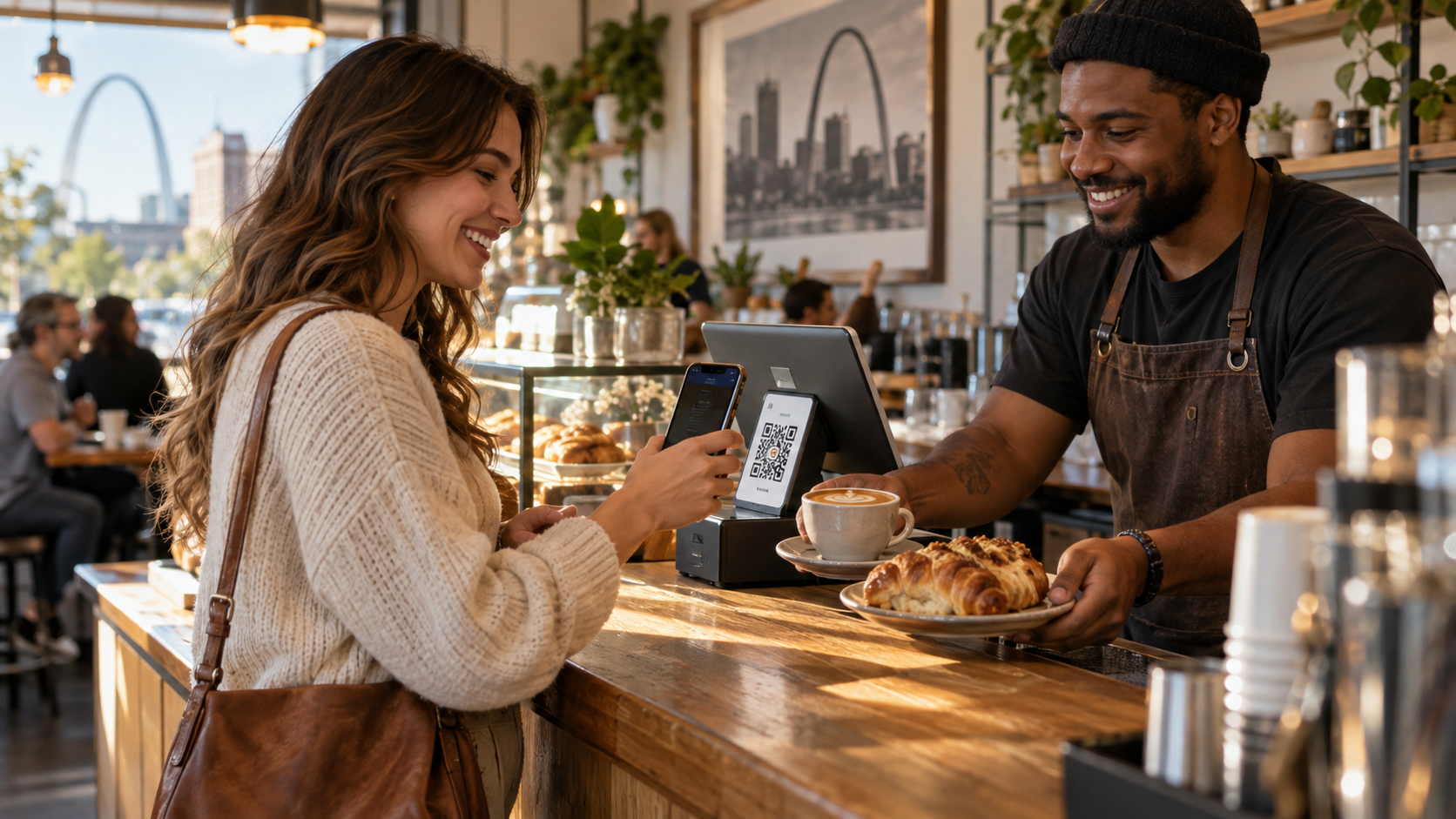
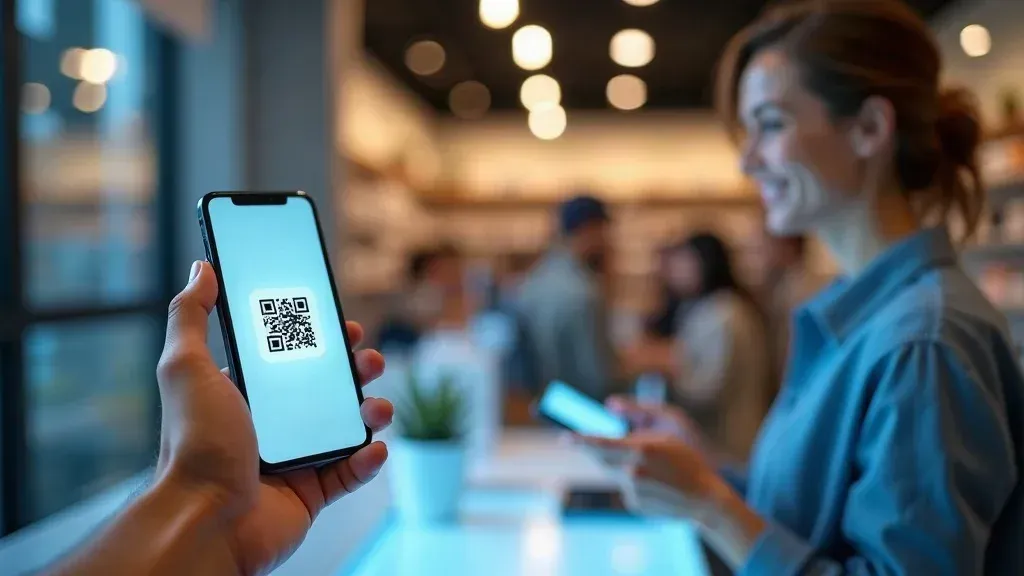
- Provide a direct review link or QR code—no search required.
- Use one-tap access to major platforms such as Google or Facebook.
- Make leaving reviews easy on any device—mobile-first is essential.
"Happy customers want to help, but not if it feels like work."
When you leave a review process that’s too complicated, even customers who intend to leave feedback often give up. Simplify their path: Offer a direct link, a QR code at checkout, or a one-tap mobile experience. These strategies are the fastest ways to encourage more customers to leave a review. Mobile-first links make all the difference, ensuring that whether your customers are at home or on the go, the process is frictionless, secure, and friendly—no extra steps, no confusion, no lost momentum.
Step 2: Ask for Reviews at the Right Time
How Timing Impacts Customer Reviews
- The peak satisfaction moment differs for home services, dental, retail, and restaurant businesses in St. Louis.
- Ask for customer reviews immediately after a service, purchase, or positive customer service moment.
Timing is everything when it comes to encouraging customers to leave reviews and share their customer experience. The best moment to ask is right at the peak of the experience—when the value of your product or service is freshest in their mind and they feel confident about the service they received. This is when positive emotions are highest and sharing feedback feels natural, not intrusive. For instance, a dental patient is likelier to leave reviews when leaving the clinic after a successful visit, just as a restaurant diner is most willing to respond immediately after a great meal and prompt customer service. Waiting too long means customers lose the motivation to write a review, or forget altogether.
Examples of Perfect Timing for Customers to Leave Reviews
- Dental: When the patient leaves the clinic smiling.
- Home Services: Right as the job is completed and inspected.
- Restaurant: After the customer pays the bill and is still at the table.
Successful St. Louis businesses are timing review requests around these natural satisfaction peaks. Whether you’re offering home improvement, medical care, or dining experiences, the key is to find and capture that moment where positive review intent is highest. When you ask at the right time, you’ll see review numbers grow quickly—and the feedback helps you fine-tune your customer experience, building trust and legitimacy.

Step 3: Build a Consistent, Automated Review System
- Use automated texts or emails so every satisfied customer is asked to leave reviews, every time.
- Remove reliance on staff memory or personality—automation fills in on busy days or with new staff.
- Apply your system equally to every customer to comply with Google’s policies—no review gating.
"Consistency beats charisma. Automation ensures nobody gets missed, even on your busiest St. Louis days."
Relying on staff memory or personal follow-up leads to missed opportunities and uneven customer review volumes. Automation removes this bottleneck—it ensures every single customer who experiences your product or service is invited to leave feedback. Automated review requests via text or email are not only reliable but also compliant; sending them to all customers (not just those who appear happy) is essential to avoid review gating and remain in line with Google’s privacy policy and platform rules. In St. Louis markets, where competition is strong, automation gives you a competitive edge and supports steady business growth through a predictable, persistent flow of new reviews.
Review System Table: Friction vs. Timing vs. Consistency
| Source of Low Reviews | Example | Solution Step |
|---|---|---|
| Friction | Customer must search and click several times to leave reviews | Use direct review links & QR codes |
| Timing | Review requested hours or days after visit | Ask post-service, post-sale, or at satisfaction peak |
| Inconsistency | Only some customers get asked for reviews | Automate so every satisfied customer is prompted |
St. Louis Case Spotlight: Real Results From Reviewing the System
- A local St. Louis dental office struggled for months, with only sporadic reviews despite plenty of happy patients. After they automated review requests and timed them as the patient left the chair, review volumes jumped fivefold within weeks.
- With friction removed and the right timing locked in, their local SEO rankings improved and new customers reported feeling more confident thanks to a visible stream of positive feedback.

People Also Ask: Why Customers Aren't Leaving Reviews
What percentage of people actually leave reviews?
- While it varies, only a small fraction of satisfied customers proactively leave reviews unless prompted the right way—reducing friction and timing the request make a major difference.
Why has customer service been so bad lately?
- Several factors—staffing shortages, high stress, and inconsistent training—can impact customer service and, in turn, the likelihood of leaving reviews. Automated review requests help gather feedback regardless of staff performance.
How to get customers to leave a review?
- Remove friction, request reviews at the peak of customer satisfaction, and use automated, consistent processes so every customer can leave reviews with minimal effort.
What percent of unhappy customers do not complain?
- Most unhappy customers will not complain directly; many simply leave without feedback or post negative public reviews after a bad experience. A proactive review system gives all customers a frictionless channel for feedback.
Quick Reference: Building Your Automated Review System
- Remove friction: Implement direct review links or QR codes.
- Time it right: Trigger review asks at the real point of satisfaction.
- Automate: Ensure every satisfied customer is invited, reliably and consistently.
Expert Tips: Maximizing Customer Reviews for Local Businesses
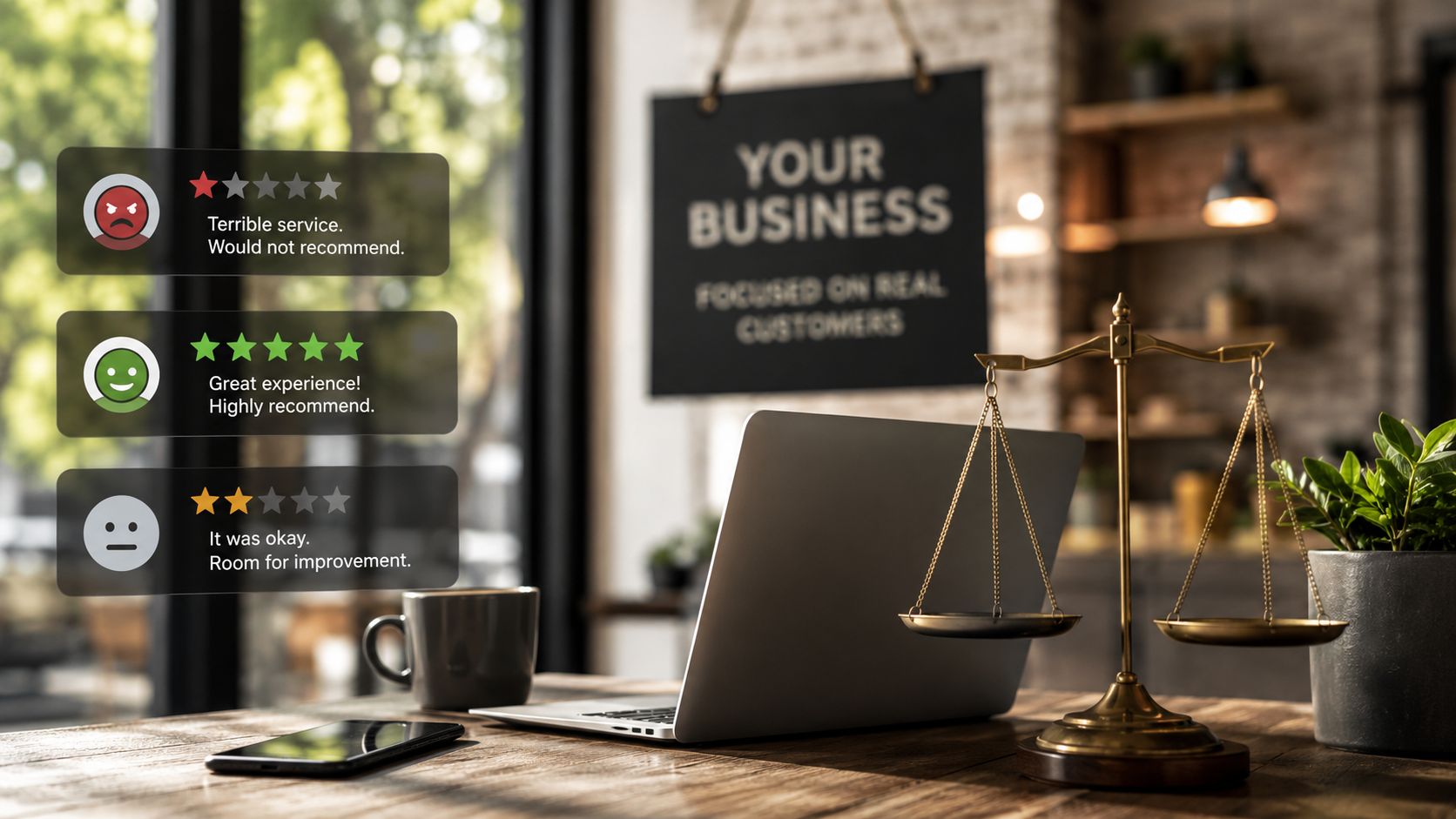
- Avoid review gating—ask every customer, not just happy ones.
- Train staff to reinforce positive experiences, not to filter reviews.
- Monitor your review flow and keep improving the process.
FAQs: Getting More Customers to Leave Reviews
Is it normal to have a low review response rate?
- Yes, unless you actively remove friction, time the request well, and automate the ask, most customers won't leave reviews. A 5–15% response rate is common before optimizing.
Should I remind customers who don't respond?
- A polite reminder can help, but avoid spamming. One follow-up after the initial review request is best practice.
How many times can I ask the same customer?
- Ask once, with one follow-up. Repeated nudges become intrusive and can annoy customers.
What's a good review response rate to aim for?
- With friction removed and optimal timing, local businesses in St. Louis can achieve a 20–30% review response rate.
Key Takeaways on Why Customers Aren't Leaving Reviews
- Low review numbers are rarely due to customer apathy.
- Most missed reviews are a process issue: friction, timing, or inconsistency.
- The fix: Remove friction, time the ask, automate for consistency.
Ready for a System That Solves Your Review Challenges?
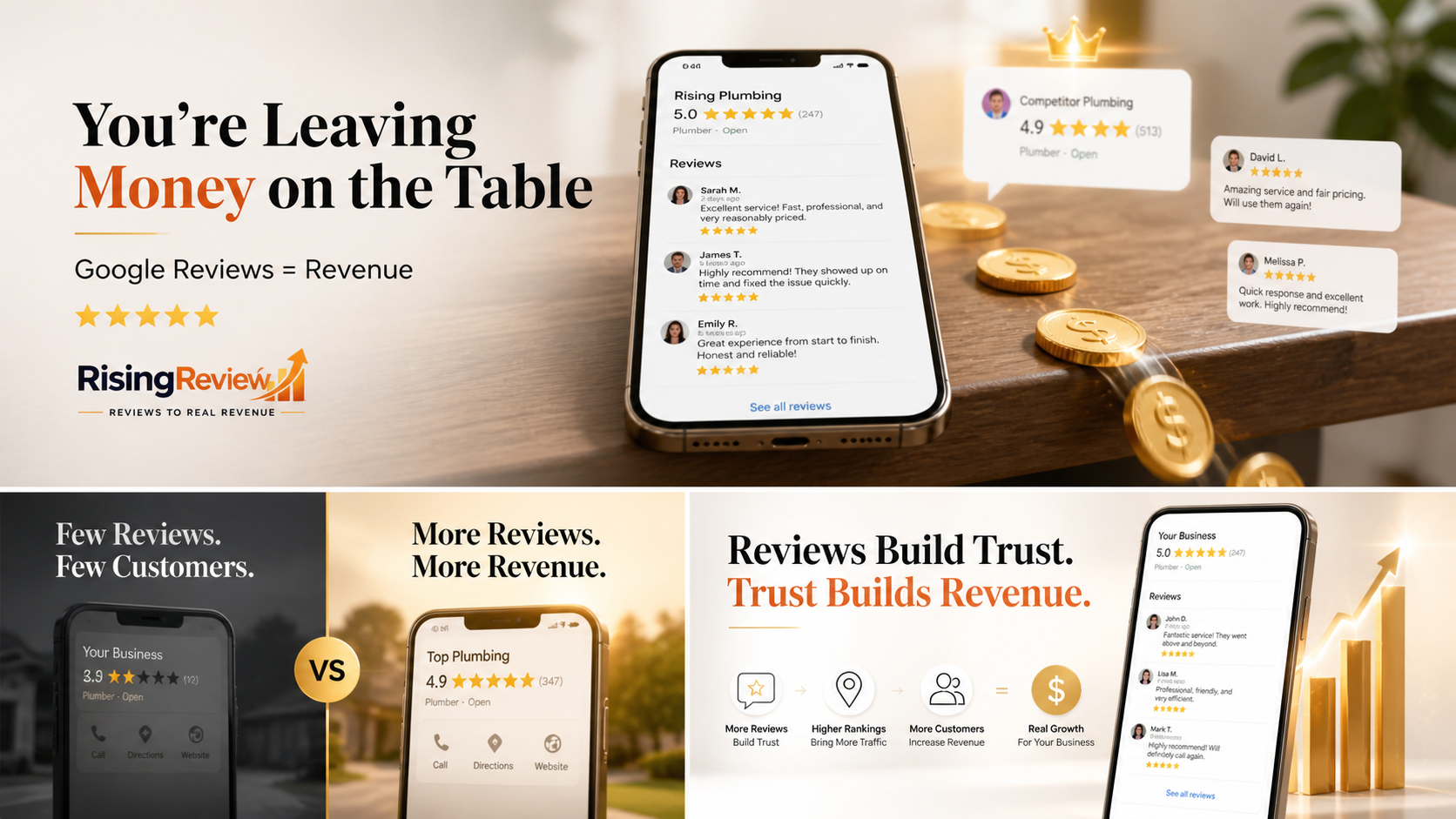
- While manual processes can work, they’re hard to sustain long-term. Automating review requests with an expert-managed system like Rising Review ensures friction is eliminated, timing is perfect, and every customer is included—so your St. Louis business gets the reviews it deserves.
Watch now: A step-by-step explainer on adding direct review links to messages, setting up QR codes at checkout, and demonstrating easy review experiences for St. Louis businesses—on both mobile and desktop.
Learn the art of timing and see real examples from businesses that boosted their review flow by syncing requests to satisfaction peaks.
Conclusion:
Solving review challenges for your St. Louis business comes down to removing friction, timing your ask, and automating your system—start today and see the difference in your review volumes and business growth.
If you’re ready to take your customer engagement and online reputation to the next level, consider exploring the full spectrum of digital marketing strategies available to St. Louis businesses. By integrating review generation with broader tactics like local SEO, social proof, and targeted outreach, you can create a powerful, sustainable growth engine. The right strategy not only increases your review count but also amplifies your visibility and trust in the community. For more advanced insights and actionable ideas, explore our comprehensive guide to digital marketing strategies for St. Louis businesses and unlock new opportunities for your brand.
Sources
- https://www.reddit.com/r/shopify/comments/1izqn6o/why_dont_customers_leave_reviews/ - Why Don't Customers Leave Reviews? : r/shopify
- https://blog.easyrepair.us/why-customers-arent-leaving-reviews-and-the-simple-fix-that-works/ - Why Customers Aren't Leaving Reviews—And the Simple ...
- https://www.quora.com/Why-do-my-customers-praise-me-but-not-give-me-reviews-online-despite-me-asking - Why do my customers praise me but not give me reviews ...
- https://www.moneypenny.com/us/resources/blog/how-to-encourage-customers-to-leave-reviews/ - How to Get Customers to Leave Reviews - Moneypenny
- https://yourreviews.io/customers-not-leaving-reviews - Why Customers Do Not Leave Reviews
- https://www.yotpo.com/blog/why-shoppers-leave-reviews-and-how-to-get-more-reviews/ - Why Shoppers Leave Reviews: And How To Get More ...