Bad Reviews Cost You Customers. Fake Ones Could Cost You Even More.

Mary Theresa McLean • 4 September 2026

Have you ever wondered how bad reviews actually affect businesses and why the FTC's new crackdown on fake ones matters?

Discover the hidden costs and why understanding this shift is crucial for customers and companies alike.


What You'll Learn About Bad Reviews and the New FTC Rule


  • Understand the financial impact of bad reviews
  • Recognize the new FTC regulations and what constitutes illegal reviews
  • Learn how to ethically manage negative reviews and build genuine positive reviews
  • Identify actionable steps to protect your business reputation


Opening Perspectives: The Hidden Costs of Bad Reviews

Why Bad Reviews Matter More Than You Think


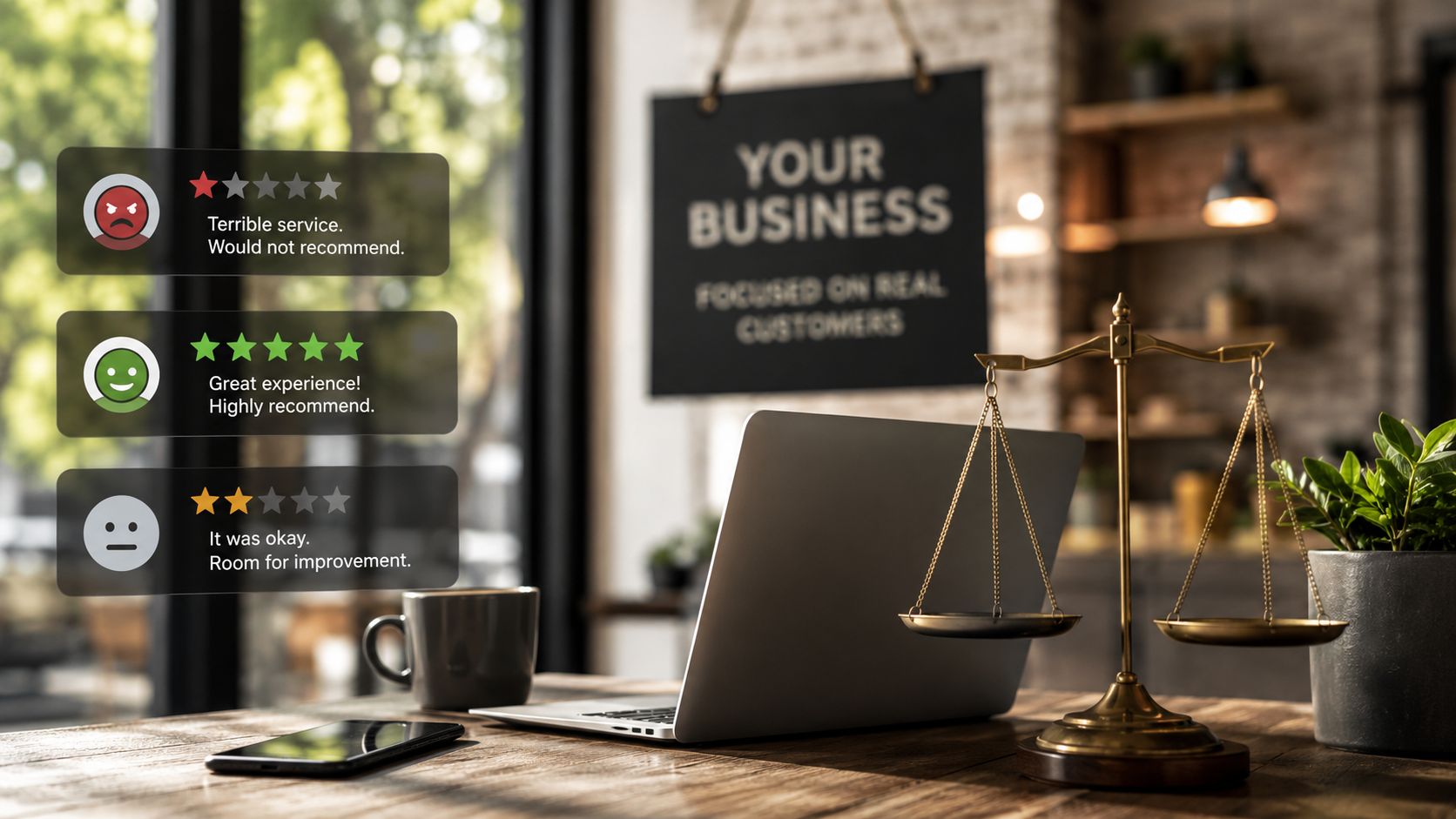
Bad reviews have a much deeper impact than a single negative comment might suggest. For every negative review, potential customers may be silently turning away without ever contacting you. In the era of online reviews, a negative review does more than sting—it shapes public perception, often pushing those searching for services or products straight into the arms of your competitors. Each bad review signals to search engines like Google that your business is less trustworthy or less popular, which can lower your local search rankings and make you harder to find.


  • Push potential customers to competitors
  • Lower your Google local search ranking
  • Erode hard-earned consumer trust
  • Decrease conversion from your marketing spend


But perhaps most devastating is the erosion of consumer trust. Think of the trust you've spent years building, only to watch it get chipped away by unaddressed negative feedback. Even if you've poured money into marketing, every bad review lowers the effectiveness of your campaigns, meaning fewer new clients despite steady ad spend. Often, unhappy customers won’t call to complain or give you a second chance—they simply vanish, and the negative review they leave lingers as a lasting mark on your online reputation.

"Bad reviews don't just hurt your feelings. They quietly drain money and momentum from your business."

The True Financial Impact of Bad Reviews


Revenue, Reputation, and Bad Reviews


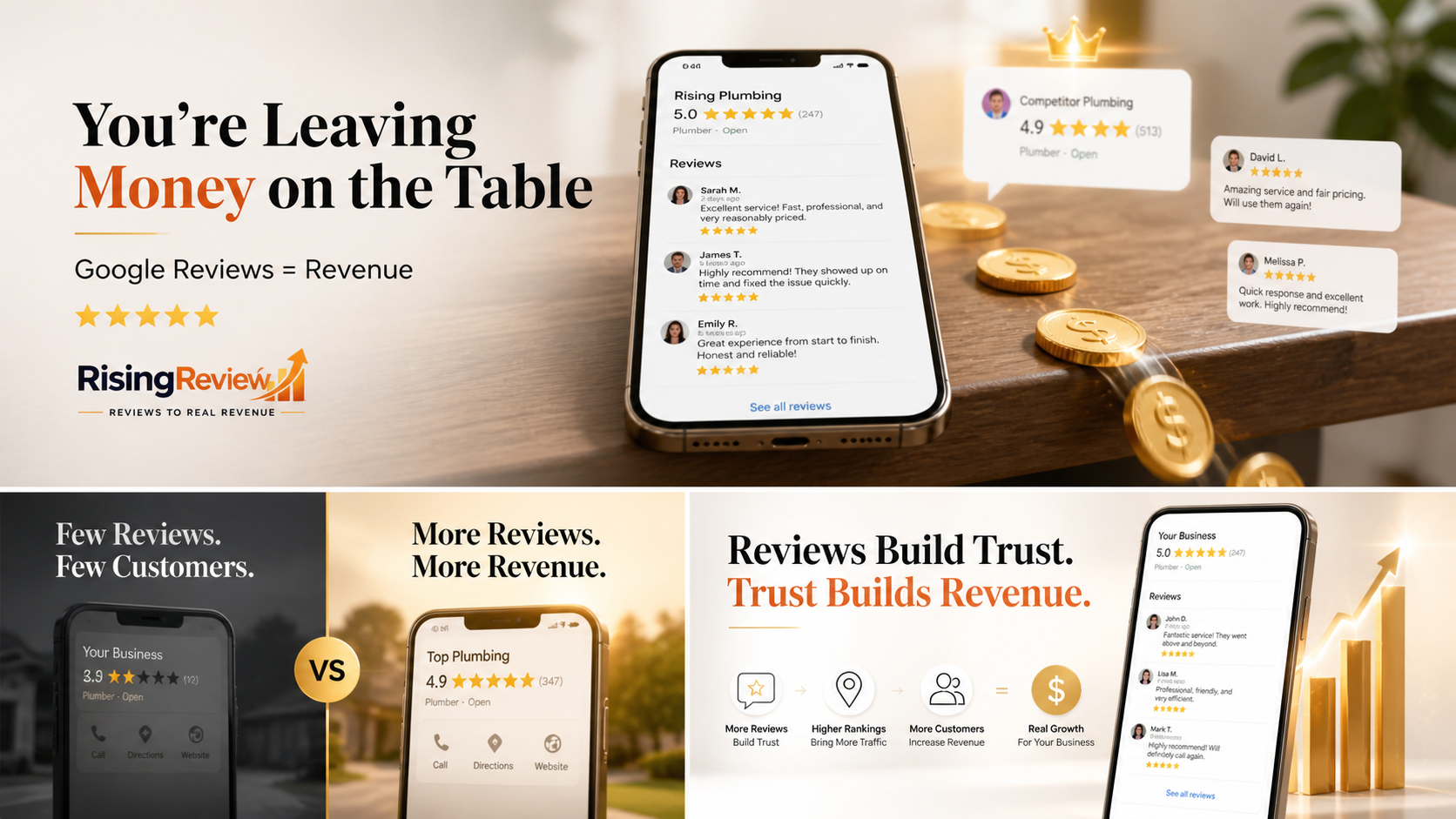
The link between your review profile and your revenue is no longer up for debate. Multiple studies—including landmark research from Harvard Business School—have shown that even a single star difference in your online review average can sharply impact your financial health. For instance, a one-star increase can result in 5 to 9 percent more revenue, while a one-star drop can cost you thousands in lost business. When potential customers see a pattern of ignored negative reviews or unaddressed complaints, many simply decide to take their money elsewhere. This is especially harsh if you work in services based industries or competitive local markets, where trust is everything.


  • Discuss the correlation between star ratings and business revenue
  • Observational evidence on lost customers due to negative review experiences


Star Rating Estimated Revenue Impact Potential Customer Actions
4.5 – 5.0 +5% to +9% Increased inquiries, higher conversion rates
3.5 – 4.0 Baseline Some trust erosion, minor deflection to competitors
2.0 – 3.0 -5% to -15% Significant loss of new business, reputation damage

A few unaddressed bad reviews or clusters of negative feedback can thus result in tangible, ongoing revenue loss. The cost isn’t just theoretical; it's real money left on the table, often without your knowledge until it's too late. As review sites and social media have grown, so has the power of each negative online review to shape the choices of every prospective customer considering your business.


Understanding the FTC's New Rule on Bad Reviews and Fake Testimonials


Summary of Federal Trade Commission Crackdown (August 2024)


On August 14, 2024, the Federal Trade Commission finalized rules under 16 CFR Part 465 that directly target fake reviews, deceptive testimonials, and manipulated online reviews. For the first time, businesses of all sizes face civil penalties for practices that were formerly in the gray area—things like buying positive reviews, suppressing negative ones, or quietly posting fake endorsements on review sites and social media. The intent is to safeguard the marketplace by ensuring that what consumers see online is a genuine reflection of real-world experiences. This landmark move means every business owner now shoulders a clear, legal responsibility to maintain honest review practices if they want to avoid regulatory fines.


  • Overview of 16 CFR Part 465


What Exactly Is Now Illegal Regarding Bad Reviews?


The new FTC rule makes it illegal to post, buy, or solicit fake reviews—whether they’re AI-generated or written by people who never interacted with your business. Paying for or incentivizing positive reviews is prohibited if you require any particular sentiment or score. “Insider reviews”—those written by employees, owners, or family members—must disclose the relationship, or else they violate the rule. Operating independent-sounding review sites you secretly control, suppressing negative reviews through threats or intimidation, or hiding negative feedback on your own website are all federally actionable offenses. Furthermore, buying fake social media engagement to bolster your image also falls under this ban.


  • Fake reviews: AI-generated, bought or fabricated feedback
  • Incentivizing positive reviews or reviews with conditions
  • Insider reviews without disclosure
  • Operating fake independent review sites
  • Suppressing or removing negative reviews
  • Purchasing fake social media engagement
"Fake reviews not only waste people's time and money, but also pollute the marketplace and divert business away from honest competitors." — FTC Chair Lina M. Khan


The message is clear: Negative reviews must be addressed ethically and transparently, and any attempt to game review systems—by any party—carries real legal risks. This changes the landscape for review management strategy and underscores the importance of building honest, direct relationships with customers.


Why the New FTC Ban on Fake Bad Reviews Matters


The Context: Years of Review Manipulation


Review manipulation has plagued digital marketplaces for years, with some businesses resorting to fake reviews and deceitful tactics just to keep up. This unfair advantage undercuts honest businesses, damages customer trust, and skews the online review ecosystem. By allowing clearly dishonest businesses to outshine those providing great customer service or products, review fraud costs both consumers and local business owners dearly. Genuine feedback should shape purchasing decisions, yet for too long, review platforms were swamped by manipulative content. Now, with FTC oversight, businesses must reconsider not only how they encourage reviews but also how they compare themselves to competitors.


  • Details on the rise of fake reviews and review gaming
  • Impact on honest businesses


AI-Generated Reviews: A New Challenge for the Industry


The rapid development of generative AI has created a fresh problem: convincing, computer-generated reviews that can flood sites by the hundreds, making it difficult for real customer feedback to stand out. The FTC’s new rule specifically calls out large-scale, automated review posting as a prohibited practice. These fake reviews—whether positive or negative—undermine authentic business reputations and mislead potential customers. Adopting strict review management processes is now essential, since even a handful of convincing AI-powered negative reviews can turn away new clients and damage your standing overnight.


  • Explaining the FTC’s focus on automated, large-scale fake reviews


What Businesses Should Do About Bad Reviews Now


Assessing Your Current Review Strategy


Before you can fix your review reputation, you must audit your current standing. Consider the frequency and recency of your online reviews—do you have reviews less than a month old, or has it been silent for months? Are your review responses timely, addressing both positive and negative reviews? Be honest: with a weak review record, would you be tempted by shortcuts? Many business owners don’t set out to break the law, but desperation or frustration can make illegal tactics seem attractive. Avoid falling into that trap by building a robust online reputation management strategy built on transparency and consistency.


  • Review profiles: Frequency, recency, and responsiveness
  • Honest reflection: Would you be tempted by shortcuts?


Genuine Strategies for Managing Bad Reviews


The only sustainable review strategy is an ethical one. Always ask for reviews, but never dictate how customers should feel or what they should say—it’s about authentically capturing their real-world experiences. Prompt, professional review response to negative feedback goes a long way: acknowledge concerns, commit to improvement, and invite continued conversation offline. Ensuring the process to leave a review is simple, using direct links, QR codes, or polite follow-ups, fosters higher response rates from real clients. Your long-term reputation is safest—and most valuable—when shaped by honest feedback rather than shortcuts or manipulation.


  • Asking for reviews ethically and consistently
  • Responding publicly to negative feedback
  • Making the review process easy for real customers


List: Do’s and Don’ts After the FTC’s Action on Bad Reviews


  1. DO: Directly ask real customers for reviews after an interaction.
  2. DO: Respond calmly and constructively to each negative review.
  3. DON’T: Ever pay or incentivize for positive review sentiment.
  4. DON’T: Attempt to remove negative reviews with threats or legal intimidation.
  5. DO: Disclose relationship if an insider posts a review.
  6. DON’T: Use AI to generate fake reviews or operate deceptive review sites.


Step-by-Step: How to Strengthen Your Review Profile Ethically


Essential Actions Every Business Should Take


  1. Search for your business and assess existing online reviews
  2. Log in to your Google Business Profile — check and respond to any unanswered negative review


  1. Create and save your Google review link
  2. Proactively ask one real customer for their honest feedback today


People Also Ask About Bad Reviews


What is a negative review?


A negative review is online feedback where a customer shares dissatisfaction, disappointment, or criticism about their experience with a business, product, or service. Negative reviews often highlight poor customer service, low product quality, or other shortcomings. They can significantly affect a business’s online reputation by warning potential customers about what to expect and may influence purchasing decisions for other users reading the review.


Explanation of a negative review and its impact


Negative reviews impact businesses by influencing the decisions of potential customers and affecting local search standing. When repeated negative reviews remain unaddressed, they decrease the likelihood that future clients will choose your services or products. Over time, they signal deeper problems in customer feedback management or service quality, and if ignored, they may drive a significant drop in revenue and make it harder to recover lost trust.


What did Sabrina Carpenter say about Olivia Rodrigo?


While this question isn’t directly related to the FTC’s new review rules, it touches on how public figures deal with negative feedback and rumors on social media. Both Sabrina Carpenter and Olivia Rodrigo have faced public scrutiny and online commentary; their responses set examples for how to address and deflect negative attention while maintaining professionalism and focusing on their craft. Businesses can take cues from such situations by staying positive and addressing criticism constructively.


How to give a negative review?


To leave a negative review ethically, keep your tone objective and factual. Clearly describe your experience, focusing on specific details (e. g. , product quality, customer service, issue timeline). Avoid personal attacks or emotional language and suggest how the business can improve. Providing honest, useful customer feedback helps future buyers and gives the company an opportunity to address the problem directly.


How to deal with unfair bad reviews?


If you receive an unfair or misleading bad review, respond promptly and professionally. Acknowledge the customer’s perspective, provide clarification or correction where necessary, and invite the reviewer to discuss the issue privately to offer a resolution. Displaying empathy and transparency in your review response can help repair your online reputation and reassure potential customers that you take feedback seriously.


FAQs About Bad Reviews, Social Media, and FTC Enforcement


What are the legal risks of ignoring the FTC’s bad reviews rule?


Ignoring the FTC’s new rule can expose your business to civil penalties and legal proceedings. Engaging in prohibited practices—like suppressing negative reviews or buying fake ratings—can trigger investigations, fines, and forced disclosure. Honest, transparent review management is the only way to minimize legal risks and protect your business reputation online.


How can businesses encourage more positive reviews?


The most effective way to generate more positive reviews is to provide excellent customer service and then simply ask. Directly request feedback from satisfied clients after a sale or service. Make it easy for them by sharing a review link and thanking them for their honest input—without offering incentives. Consistency and authenticity are key to building a strong, well-balanced review profile.


Is it ever okay to remove a negative review?


You should never attempt to remove a negative review just because it’s inconvenient or critical. Only reviews that clearly violate platform rules (e. g. , hate speech, threats, irrelevant content) may be eligible for removal. Always approach such requests transparently and according to the site’s moderation policies—never by intimidation or legal threats, which the FTC now specifically prohibits.


What is considered social media fraud under the new rules?


Social media fraud under the FTC rule includes buying fake followers, likes, or comments to artificially enhance your brand’s image. It also covers running fraudulent review campaigns—including using bots or paid networks to inflate positive sentiment for your business or to harm competitors. Authentic engagement is required; any manipulation of social media metrics for commercial advantage risks regulatory action.


Key Takeaways on Bad Reviews and Your Business Reputation


  • Bad reviews drain revenue and trust — ignoring or manipulating them can have legal fallout.
  • The FTC's new rule puts real teeth in regulation against fake, paid, or deceptive reviews.
  • The only safe, sustainable strategy is building and responding to genuine online reviews.


Build Real Revenue from Reviews—Partner with Rising Review


If you want to turn customer feedback into a real business advantage, visit risingreview.com for more information.

The FTC's rule levels the playing field: real reviews build real revenue, while manipulative tactics risk fines and lost trust. Rise above — choose transparency, consistency, and partnership.


Sources


by Mary Theresa McLean 5 September 2026
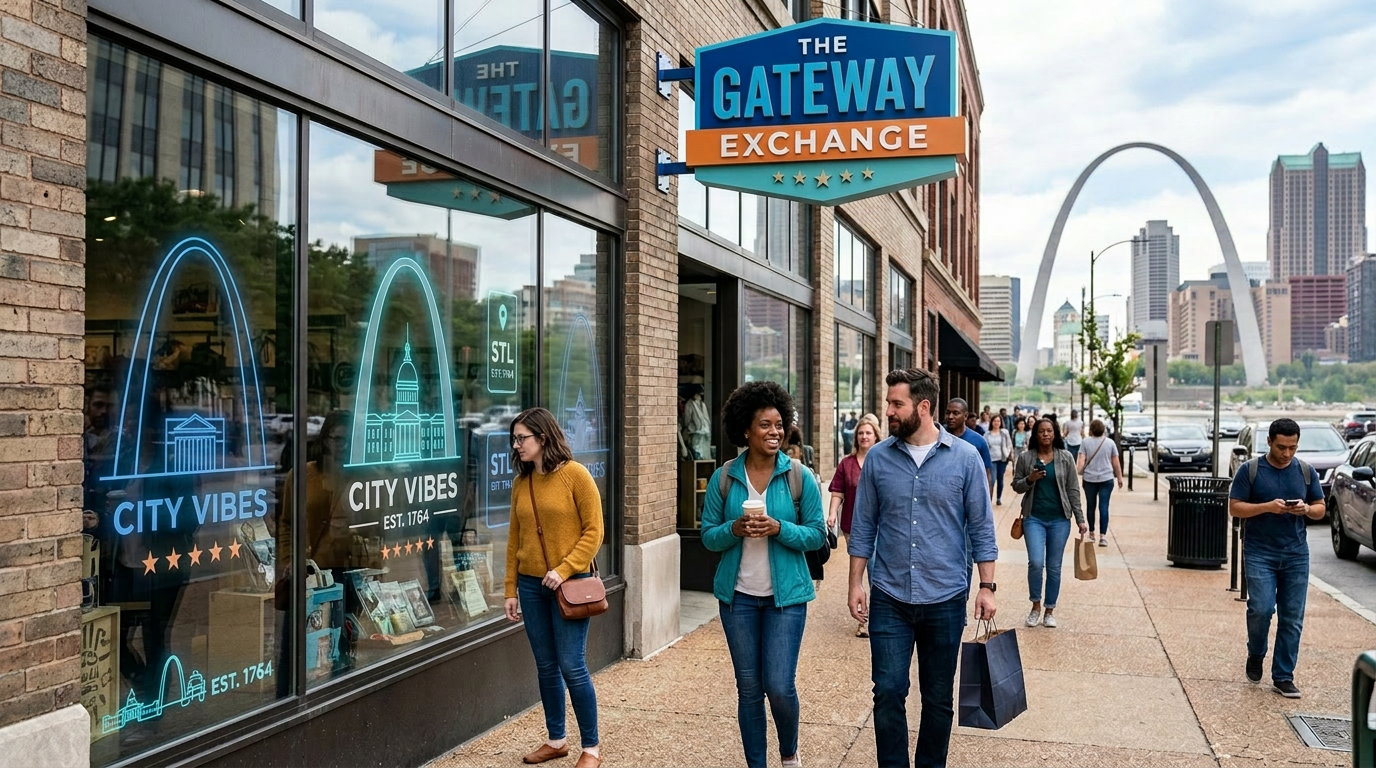
Imagine a busy Saturday in St. Louis: customers stream into local businesses, and nearly every one decides where to shop or dine based on Google reviews they just scanned on their phones. If you want your small business to stand out in the local pack, attract more customers, and build lasting trust, mastering how to get more Google reviews for small business is absolutely vital. This guide shows you — clearly and step by step — exactly how to do it, so you never fall behind the competition again. How to Get More Google Reviews for Small Business in St. Louis: A Direct Answer  To get more Google reviews for your small business in St. Louis, set up your Google Business Profile; create and share a direct review link or QR code; ask customers promptly after a transaction using channels like email, SMS, receipts, and in-person scripts; and follow a simple, repeatable process. Always respond to reviews and avoid incentivizing or gating requests. These steps ensure you grow authentic reviews, improve your local pack ranking, and establish trust with St. Louis customers who rely heavily on platform reviews to make buying decisions.
by Mary Theresa McLean 9 July 2026
Posted by Mary Theresa McLean, Founder and CEO | Reviews to Real Revenue
by Mary Theresa McLean 30 June 2026
Imagine unlocking your business’s full potential on Google—only to let it slip away because you assumed your profile was “set and forget. ” In 2026, that approach risks not just missed opportunities, but Google itself taking over your narrative. Your Google business profile roadmap is no longer a background asset—it's now a high-impact, always-on marketing channel that can drive visitors through your door or let them slip to the competition. Are you in control, or is Google filling the gaps for you? What You'll Learn in This Google Business Profile Roadmap How the Google Business Profile roadmap impacts your search results and boosts your local SEO Key changes for business profiles that affect your online presence Step-by-step tasks to manage your business proactively Techniques for leveraging customer reviews and business information Why the Google Business Profile Roadmap Is Essential in 2026 If you’re a business owner who created a Google profile years ago and haven’t touched it since, 2026 is your wake-up call . Google has fundamentally transformed business profiles from static listings into dynamic, interactive channels that directly impact local search rankings, customer reviews, and your overall online presence. Today, if your profile isn’t kept current, Google steps in—pulling information from the web, competitors, or even customer-submitted edits. That means your business information, special offers, phone number, and business description might not reflect your business’s true strengths—or worse, could mislead potential customers. Don't let this disaster happen. This roadmap is designed especially for owners who know the dangers of passive management: loss of control, inaccurate details, missed calls, and even negative reviews left unresolved. The move from “set it and forget it” to “maintain or be replaced” is real. Mastering the Google Business Profile roadmap means not only protecting your brand but also attracting more customers and staying ahead of competitors in local SEO and local search results. Google won’t wait for you to catch up—take back control before your profile becomes a liability. From Static Asset to Live Channel: The 2026 Shift Once-upon-a-time, setting up your business profile on Google meant entering your details and moving on. But in 2026, your profile is a live channel—a heartbeat of your local SEO and real-time connection to potential customers. With consumers expecting up-to-the-minute info, and competition in the search and map pack tighter than ever, a neglected profile fades fast in the rankings. Google now indexes posting activity, photo freshness, review responses to both good and bad reviews, and more. This creates new opportunities to showcase your business—if you stay current—but also new risks if you don’t. Businesses that treat their profiles as passive assets watch as competitors who update regularly are bumped up in search results, getting more calls, questions, and foot traffic. The biggest shift? Inaction is visible. A “quiet” profile signals to Google (and customers) that you might not be open, active, or attentive, which means Google is likely to show alternatives that better reflect real-time relevance. If you want to show your business in its best light, proactive management is the new baseline—not an optional extra. The Real Risk: Google Fills Gaps in Your Business Profile The most urgent, overlooked risk in 2026 is that if you don’t actively manage your google business profile roadmap, Google will take over—automatically populating your profile with information it finds elsewhere online. This can include user-submitted edits, web-crawled data, or even images and answers from third-party sources you don’t control. While automated updates might keep generic info current, they often miss the nuances that matter. Incorrect service areas, old operating hours, even unverified phone numbers can creep in, causing confusion, missed inquiries, or damaging trust with potential and returning customers. In the case of a restaurant, an outdated menu showing old prices can result in an angry (hangry!) customer who saw the menu on your Google profile and thought it was current. Relying on Google’s “fill in the blanks” approach is like handing over the keys to your online reputation. Businesses who allow their profiles to stagnate risk not only losing customers but being misrepresented. Negative reviews may sit unaddressed, special offers go unseen, and your business may become invisible in local search. The new rules are clear: what you don’t manage, Google will—and not always in your favor. You have the power to be in control of your Google Business Profile - just do it regularly. Understanding the Google Business Profile Roadmap What Is a Google Business Profile Roadmap? A google business profile roadmap is a practical, step-by-step strategy that helps you actively manage and optimize all facets of your business profile on Google—from posting updates and monitoring reviews, to keeping your business information and imagery fresh. Think of it as a maintenance checklist for your digital storefront. Instead of hoping your profile attracts the right eyes in local search, you use the roadmap to guide proactive actions that keep you visible, accurate, and competitive. Unlike the set-it-and-forget-it era, today’s roadmap is essential for any business owner who wants to improve local SEO, connect with customers, and drive results without wasting time on trial and error. The best roadmaps leverage proven workflows—pulling in analytics, customer feedback, and competitive insights—to ensure your business profiles deliver a steady stream of calls, visits, and glowing customer reviews and responses. How Google Business Profile Roadmap Shapes Search Results An actively managed business profile tells Google your business is alive and attentive, directly improving your visibility in search results and on Google Maps for better local SEO. Each update—be it a new photo, a response to a review, or an FAQ tweak—signals freshness, which boosts your chances of landing in the coveted “local pack. ” Businesses committed to their roadmap gain a powerful edge in local search results, consistently outranking those with outdated or neglected profiles. Google’s algorithms value engagement, accuracy, and relevance. Profiles with regular updates, current business info, and robust customer reviews see higher click-through rates, more direct actions (calls, directions, website visits), and better conversion. By shaping the data Google sees, you control not just your appearance—but also how many potential customers choose you over competitors. Active roadmap management is the fastest route to first-page placement in search and maps. Local SEO and the Evolving Business Profile Local SEO in 2026 is powered by a reliable, actively curated business profile that helps Google show your business quickly and easily. In a crowded digital landscape, customers find your business faster when your Google profile is up to date—showcasing recent photos, accurate offerings, and engaging content. Google awards higher rankings to businesses that regularly interact with reviews and responses, provide updated service area information, and post offers and news. The evolving expectations require more than periodic check-ins: consistency is rewarded, and automation (when done correctly) can streamline updates across multiple locations. SEO experts recommend regular review responses, content refreshes, and image rotations to stay ahead. The businesses dominating local search aren’t luckier—they’re simply following the google business profile roadmap with discipline and the right set of tools. Why Maintaining Business Information Matters in 2026 Maintaining up-to-date business information is non-negotiable in 2026 to ensure customers find accurate business info and trust your profile. Outdated hours, old contact details, old menus or stale descriptions can lead to frustrated potential customers or even negative reviews. When a customer finds your business, their immediate questions—where are you, when are you open, what do you offer—must be answered at a glance. Google prioritizes profiles where these details are accurate and routinely verified. Letting your business info drift means risking your reputation and search ranking. Even small changes (like holiday hours or new COVID policies) should be reflected in real time. Plus, if Google resorts to pulling these from the web, errors compound, and fixing them retroactively becomes a nightmare. The business owners who win are the ones who never let their profile’s “last updated” date go stale. Eight Key Tasks: Stay Ahead with the Google Business Profile Roadmap 1. Review Responses: Protect and Promote with Customer Reviews Respond promptly to customer reviews to build trust Monitor and flag inappropriate reviews Showcase positive reviews prominently on your business profile Customer reviews are the public-facing proof that your business cares and adapts. A quick response to every review—positive or negative—demonstrates engagement and improves trust with potential customers. Unaddressed reviews do more harm than you think: each one left to linger for more than a few days is an unanswered question to the next person browsing your profile. By actively managing reviews, you not only protect your reputation but boost your local SEO, as Google highlights businesses that engage consistently. ‘A single unanswered review can say more than a hundred polished posts — stay in the reply game.’ 2. Posting Cadence: Feed Fresh Content into Your Business Profiles Set a consistent posting schedule for new updates and offers Highlight seasonal promotions to boost local search visibility Use photos and videos to enhance engagement Google’s algorithms reward fresh, relevant content. Businesses that schedule weekly posts, share news, and promote special offers not only maintain high visibility in the local search results but also foster ongoing customer engagement. This active posting cadence helps return your business to customers’ minds right when they’re searching for your products or services. Use a content calendar to plan updates, showcase your team, and spotlight products—each post is an extra touchpoint that can turn browsers into buyers. 3. Photo Strategy: Show — Don’t Just Tell — with Rich Media Add high-quality photos of your storefront, team, and products Rotate images regularly to stay current and improve search results Add a video short linked in from your YouTube channel. Images are among the first elements customers notice on your profile. Investing in professional, up-to-date photos of your storefront, staff, services, and even your location’s surroundings helps customers find your business and forms a strong first impression. Updating your gallery frequently keeps content relevant, signals activity to Google, and can even push your profile higher in rankings. 360-degree images further enhance trust, offering a virtual window into your place, making it easy for new visitors to recognize you. Businesses with active photo strategies consistently outperform those with generic or outdated images—visual storytelling is now central to standing out on Google. 4. Google Phone Audit: Audit How Customers Connect with Customers Test call controls and responsiveness Update out-of-date contact numbers Leverage call history insights to manage your business activity Your phone number is a direct link between you and new business, yet so often it’s overlooked. Test it: can callers reach you smoothly? Is your staff prepared? Updated, working numbers mean fewer missed opportunities and zero frustrated customers. Google’s new call tracking and history features provide valuable insights into when and how customers connect, highlighting bottlenecks or dropped communications. Regular phone audits are essential for brick-and-mortar shops and service providers alike. 5. FAQ Content: Answer the Questions Customers Actually Ask Include frequently asked questions to improve your business info Update answers based on trending inquiries Use structured keyword-rich content to boost local SEO relevance A strong FAQ section is a shortcut for both customers and Google’s understanding of your business. Regularly updated, structured answers help preempt questions, reduce call volume, and guide potential customers to take action. Google reads and indexes these responses, so optimizing them improves search results placement. Keep content dynamic—new products, services, or policies should trigger updates to your FAQ. 6. 360 Photo Guidance: Enhance the Find Your Business Experience Create a guided virtual tour using 360 photos Update imagery as your business layout evolves Make customers feel more confident before visiting A 360-degree tour is now an expected feature for many businesses. Whether you’re a gym, restaurant, or shop, this immersive content helps customers find your business and visualize visiting before they arrive—reducing uncertainty and boosting foot traffic. Keep these tours fresh by updating them whenever your layout changes or you roll out new features. Customers appreciate transparency, and Google rewards profiles that go beyond basic images. 7. Multi-Location Coordination: Scaling the Google Business Profile Roadmap Maintain consistency across all business profiles Centralize updates for local search success Monitor duplicate locations and merge as needed Managing multiple locations requires a central command. Consistency is critical: operating hours, phone numbers, branding, and descriptions must align across all locations to avoid customer confusion and boost overall search credibility. Google pays attention to duplicate or out-of-date listings—coordinate updates, monitor for errors, and merge duplicates promptly. Efficient coordination ensures your entire business footprint stays accurate in local search. 8. Insights and Reporting: Data-Driven Decisions for Online Presence Use Google insights to track customer actions on your business profile Benchmark performance against local competitors Optimize content and business info based on analytic trends Analytics aren’t just for big brands. Google’s insights tool is a free tool that provides actionable data on how customers interact with your profile—calls, direction requests, website clicks, and more. By reviewing these trends weekly, you identify what’s working and where adjustments need to be made. Businesses that monitor and act on these insights outperform those who simply “hope for the best. ” Over time, these tweaks result in a measurable lift in search visibility, engagement, and ultimately, revenue. ‘Google is now doing the work your profile was supposed to do — optimize, or Google will do it for you, not always in your favor.’ How to Optimize Google Business Profile Roadmap for 2026 Step-by-Step Google Business Profile Roadmap Optimization Audit your business information for accuracy Refresh all photos and add a video tour Schedule weekly posts and updates Review and respond to all customer reviews — good and bad Set up and update FAQs Test all points of contact weekly Monitor insights and adjust based on data Optimizing your Google Business Profile roadmap for local SEO and online presence is straightforward when you follow a proven process. Start with a detailed audit—double check your location, hours, and contact info across all business profiles. Upload crisp, branded photos and a short video tour to enhance your visual appeal. Plan and schedule posts—special offers, events, and updates—so you have a steady drumbeat, not just bursts of activity. Respond promptly to every customer review to boost your business profile’s reputation and improve local SEO through active customer engagement. Refresh your FAQ section with real customer queries and update business information as needed. Run a simple call and contact audit weekly to ensure you never miss a lead. Finally, check Google Profile Insights for actionable trends and adjust your roadmap accordingly. Consistency and attention to detail can transform your profile from a forgotten asset into a driver of local leads and loyal returning customers - the road that leads to real revenue. Dive into our expert walkthrough highlighting real updates, review responses, media uploads, and insights extracted in real time—demonstrating how simple, steady maintenance can supercharge your online presence.  People Also Ask: Google Business Profile Roadmap in 2026 What is the 20% rule in Google? 'The 20% rule refers to... [Expert explanation based on latest guidance]' Answer: The 20% rule in Google historically referenced the principle that any text overlays on images or cover artwork should not exceed 20% of the total image area, to ensure the content remains visually clear and engaging. For Google Business Profile, it also refers to maximizing your most important updates and offers—but not overwhelming visitors. Use concise, high-impact text that makes up about 20% of your visual profile assets, letting photos and videos tell most of your story. How to optimize Google Business Profile 2026? 'Optimization in 2026 is proactive: updating photos and info weekly, actively responding to customer reviews, and leveraging new features to stay ahead.' Answer: Optimizing your profile in 2026 means taking control every week. Audit your business info, refresh images and videos, and respond to every customer review quickly. Use Google’s new features—analytics reports, 360 photos, and updates—to increase your visibility in local search and stay ahead of businesses that let their profiles sit idle. How to create a Google business map? 'Creating a Google business map involves claiming your listing, adding business information, and submitting location data via Google Maps platform.' Answer: To create a business map, start by searching for your business on Google Maps, then select “Claim this business. ” Enter your accurate business information—address, service area, contact details, and hours. Submit verification (usually via postcard or phone), and complete your profile by adding photos, descriptions, and FAQ. Once verified, your business will appear in both search and maps, helping customers find you seamlessly. What are common GMB mistakes? 'Common mistakes include outdated business info, missing reviews, infrequent updates, ignoring new features that can boost local SEO and most important: responding rapidly to reviews both good and bad.' Answer: Avoid letting your profile become neglected: don’t leave incorrect info, ignore reviews (positive or negative), skip posts, or forget about new features like 360 tours. Many business owners also miss key updates to operating hours or fail to merge duplicate listings, causing confusion and harming both local SEO and customer trust. Proactive management and following the google business profile roadmap keeps your profile accurate, compelling, and visible. Frequently Asked Questions about Google Business Profile Roadmap What are the most direct benefits of maintaining my business profile? By actively maintaining your business profile, you ensure your information is always accurate, appear more frequently in local search results, and earn more trust from both potential customers and returning customers. This leads to increased calls, visits, and real revenue. Can I automate any tasks outlined in the google business profile roadmap? Yes, some repeatable tasks like posting updates, scheduling photos, and tracking reviews can be automated with tools or delegated to partners. However, personalization—like review replies—should be reviewed by a real person for best results. How does the roadmap impact first-page local search results? The roadmap’s focus on consistent updates, accurate business info, and user engagement (recent reviews) is exactly what Google’s local algorithm looks for when deciding which business profiles to surface on page one of search results . Key Takeaways: Mastering the Google Business Profile Roadmap Google business profile roadmap is now mission-critical for local SEO Neglect leads Google to auto-populate with its own sources, risking inaccurate business information Active management means more visibility in search results and better customer engagement Leverage tools and partners like Rising Review LLC to stay ahead Move from Passive to Proactive with Your Google Business Profile Roadmap It’s time to move from “set it and forget it” to consistent, proactive management of your Google Business Profile. Don’t surrender the story of your business to someone—or something—else. Visit risingreview.com for more information Take charge of your business profile to ensure every customer finds the real story—your story—first and enhances your online presence. Don’t wait for Google to decide for you.
Two people in a bright office cafe, one smiling at a phone beside a laptop and coffee cup
8 May 2026
Learn to turn happy customers into advocates with simple strategies. Boost your reviews & trust today!
You’re leaving money on the table when ignoring Google reviews, as lost revenue slips away from your
4 May 2026
You’re leaving money on the table if you ignore Google reviews. Learn how reviews, responses, and consistency drive trust, rankings, and real revenue growth.
Person in a blue shirt using a tablet at a desk in a bright office
20 April 2026
Learn to respond to Google reviews to boost trust & loyalty. Improve your online reputation today!