Best Time to Ask Customers for a Google Review (It's Not When You Think)

Mary Theresa McLean • 7 September 2026

What if the reason your Google reviews are lukewarm—or missing altogether—has nothing to do with your service, and everything to do with when you ask?


Most businesses think the best time for a review request is right after checkout or days later in a follow-up email. But new insights, rooted in customer psychology, reveal that the perfect timing is neither of these. This guide exposes the real answer and hands you the practical tools to transform your review strategy—backed by the latest behavioral research and tailored for St. Louis small businesses.


What You'll Learn About the Best Time to Ask for a Google Review


  • Why the timing of your review request dramatically impacts results
  • Industry-specific insights for home services, restaurants, medical/dental, and retail
  • Practical customer psychology concepts like the satisfaction peak and recency bias
  • Actionable automation tips to boost your online review volume and reputation
  • How to align review request timing with Google’s compliance guidelines


Direct Answer: When Is the Best Time to Ask for a Google Review?


The best time to ask for a Google review isn’t a universal moment—it’s directly after the customer’s satisfaction peak: the emotional high point of their experience, not simply the moment the transaction closes. For St. Louis businesses, timing your review request to sync with this satisfaction peak varies by industry but always outperforms generic, delayed, or at-checkout asks. Whether you run a home services company, restaurant, dental office, or retail business, mapping your ask to the point when the customer feels their needs were truly met is the secret to gaining more—and better—online reviews on the search platform.


Why Asking Immediately After a Transaction Doesn’t Always Work


“The golden moment is when the customer feels their needs were truly met—or even exceeded—not just when payment is processed.” – Rising Review Expert Team

Many St. Louis businesses default to asking for a Google review right at checkout or when the receipt is signed, believing immediacy guarantees results. However, this approach overlooks customer psychology—specifically the fact that satisfaction often hasn’t peaked at transaction, especially in services where results are experienced after the sale. Asking too soon may feel pushy or transactional, leaving customers reluctant or ignoring your review request altogether. By waiting just long enough for the customer to clearly feel the benefit—such as seeing a home repair solved, enjoying that “after” moment in the dentist’s chair, or tasting the last bite of a great meal—you maximize both the likelihood and quality of reviews on the search platform.


For businesses looking to further refine their approach, integrating a comprehensive reputation capture strategy can help ensure that every customer touchpoint is optimized for feedback. You can explore actionable frameworks and step-by-step tactics in the Reputation Capture Strategy guide, which dives deeper into aligning review requests with customer experience milestones.


Understanding the Satisfaction Peak: What Drives Customers to Leave a Review?


  • Satisfaction peak: The powerful emotional high during or just after a positive experience.
  • Recency bias: Customers best recall and describe recent, strong feelings.
  • Satisfaction decay: Delaying too long dulls urgency and recall, hurting online review rates.


The most effective Google review requests are those that track closely with when your customer’s positive emotions are at their highest. This satisfaction peak often isn’t at payment—even in fast-paced industries. For home services, it’s right after a repair is completed and everything works again. In restaurants, it’s the moment after an amazing meal when the table is cleared and compliments are flying. For dental or medical services, the real peak may come days later, once visible results are obvious to the patient. If you miss this narrow window, review response rates—and their substance on your business profile—drop sharply. Understanding and leveraging customer psychology, like recency bias and the satisfaction decay curve, is your edge over competitors relying on old habits.


Industry-Specific Best Time to Ask for a Google Review


Home Services: Capitalize on the Completion Satisfaction Peak


  • Ask for reviews on the search platform right after confirming job completion.
  • SMS/email triggered by technician status update maximizes satisfaction recall.
  • Avoid asking at invoice time—focus on the moment the problem is solved.


In home services like HVAC, plumbing, or electrical, the best moment for a review request comes right after the job is declared finished and the customer confirms satisfaction—not when the invoice is presented. SMS or email review requests automatically triggered by your technician’s job completion update harness fresh, positive customer feelings and drive stronger reviews on the search platform. Delaying until bill payment or doing a follow-up days later allows satisfaction to fade and response rates to drop. Precision in post-purchase review timing makes all the difference in the volume and enthusiasm of customer feedback.


Restaurants: Timing Review Requests with the Culinary Experience


  • Best to ask before customers leave—table-side or as a text prompt tied to bill payment.
  • For delivery, prompt via smartphone or QR code immediately after food arrives.
  • Wait too long and the positivity—and memory—fade quickly.


For restaurants, the satisfaction peak occurs as the meal wraps up; customers have tasted, enjoyed, and often shared their experience. The ideal review request is delivered just before leaving, right at the table or as a discreet text message linked to their bill. For delivery and takeout, a QR code or digital review link sent as their food arrives captures immediate reactions and ensures a quick review submission. If you wait until hours or days after, the sparkle and details of the experience diminish—and so does your chance for a glowing, specific review that resonates with potential customers on your business profile.


Medical/Dental: When Visible Results Drive the Review Request


  • Never ask immediately post-procedure (too much anxiety).
  • Trigger review requests after follow-up or visible improvement (e.g., after teeth whitening shows results).
  • Automated messaging app reminders keep timing precise and HIPAA-compliant.


Unlike retail or restaurants, medical and dental practices should avoid review requests at checkout—right after a procedure, anxiety or uncertainty is often still high. Instead, automate your asks for follow-up appointments or after visible results appear, such as finished dental whitening. Integrating with appointment management and using a messaging app guarantees review requests are both timely and compliant with healthcare privacy standards. By waiting for the satisfaction peak, these businesses see more thoughtful, detailed, and positive reviews on the search platform—building genuine trust with local search audiences.


Retail: Post-Delivery and Unboxing Review Timing


  • Send review requests after customers have received and opened products, not just at point-of-sale.
  • Online store? Use delivery confirmations and follow-up to prompt reviews.
  • Share easy QR codes in packages or email receipts for frictionless feedback.


Retailers—especially those with ecommerce shops—achieve higher review rates by timing asks for after the delivery and unboxing stage. A customer’s satisfaction peaks when they see, touch, and use the product—not when they click “buy. ” Make it easy: automate review requests triggered by delivery confirmation, or tuck a QR code in every package for quick access to your review page. This approach increases quality reviews and signals to potential customers that your business goes beyond transactional service.


Why Review Timing Beats Generic Requests (And How the Psychology Works)


  1. Right after the satisfaction peak, emotions—and details—are sharp.
  2. Customers are more likely to describe their experience authentically, boosting trust in your business profile.
  3. Avoids the negative review spiral from customers who feel rushed or pressured.
“A one-size-fits-all email blast will never outperform a well-timed, personalized request. Precision wins.” – St. Louis Review Optimization Leader

People remember feelings, not transactions. A well-timed review request captures moments when genuine appreciation is strongest, increasing both response rate and review quality. Rushed or delayed requests, often perceived as self-serving, diminish response and can inadvertently provoke negative reviews. By respecting your customer’s journey—and matching your ask to psychological triggers—you stand out in the search results and foster sustained growth for your local business.


The Trigger Event Strategy: Job Done, Delivery Confirmed, Results Visible


High-performing businesses time their review requests to a concrete trigger—a job marked complete, a meal polished off, or visible patient results. This strategy drives more positive reviews on the search and search results, directly improving your local search ranking. Aligning your asks with these trigger events—rather than arbitrary time delays—enables you to collect reviews at the precise moment they’ll be most enthusiastic, memorable, and useful for attracting new customers.


Automate Your Review Requests: Taking Human Error Out of the Equation


  • Use automation platforms to trigger review requests at key milestones.
  • Integrate with your business profile systems, CRM, or messaging app for perfect timing.
  • Automated texts/emails generate more positive reviews and limit missed opportunities.


Manual review requests are inconsistent and prone to error—staff may forget, or timing gets overlooked during busy moments. By leveraging automation tools tied to your CRM, scheduling software, or messaging app, you ensure every customer gets a review request exactly at the right satisfaction peak. Automation makes it easy to scale quality reviews, maintain compliance, and free up your team to focus on delivering standout customer experiences in St. Louis and beyond.


Industry-Specific Review Timing Table


Industry Satisfaction Peak Trigger Event Best Review Request Channel Timing Tip
Home Services Job completion confirmed by customer Automated SMS/email from CRM Never ask at invoice time
Restaurants End of meal (before departure) Table-side QR code/text Prompt before guest leaves or as food arrives (delivery)
Medical/Dental When results are visible (post-procedure follow-up) App-guided SMS or email Wait until results show
Retail/Ecommerce Post-delivery and unboxing Email/SMS with direct review link or QR code in package Ask after item is received/opened

Avoiding Common Review Timing Mistakes (Compliance & Conversion)


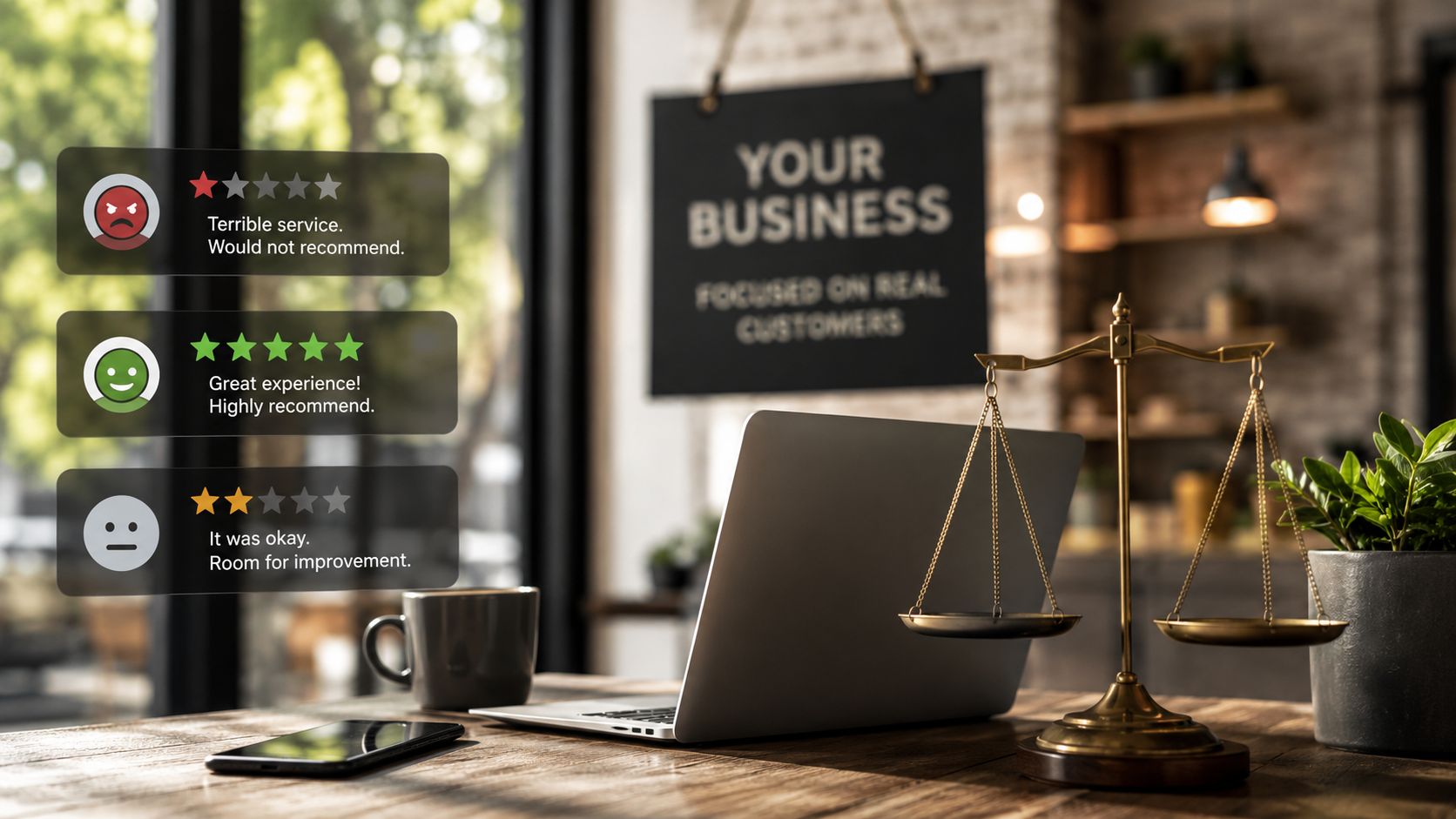
  • Don’t pair timing tactics with incentives or filter only satisfied customers—this violates Google’s policy and risks account suspension.
  • Every customer gets a chance to leave a review—don’t cherry-pick.
  • Review timing strategy is about matching psychology, not gaming the system.
"Following proper timing and fairness standards helps build a trustworthy St. Louis reputation that lasts."

People Also Ask: Timing Google Reviews


How do I ask nicely for a Google review?


Be genuine: thank customers for their business, mention you value honest feedback, and directly provide the review link. Tie your request to the satisfaction peak, not a generic email. Making it easy and personal is key to getting quality reviews.


What is Google's 20% rule?


Google’s 20% rule generally refers to maintaining authenticity—avoid incentivizing or selectively asking only satisfied customers, and ensure your business profile reflects the real range of voices. This helps your online reviews remain trustworthy and compliant.


How many 5 star reviews to cancel a 1 star on Google?


There’s no magic number: Google calculates star averages over all reviews on the search platform. Consistently timed, positive reviews help outweigh negative reviews over time, so focus on building a steady stream of strong review experiences.


How quickly should a business respond to a Google review?


Respond within 24-48 hours—prompt, professional replies enhance trust and improve your search platform presence, whether you’re addressing positive reviews or negative review feedback. Consistent engagement shows you value customer feedback.


Quick FAQs About Review Request Timing


  • Should I ask before or after payment? After the service is complete and the outcome is clear.
  • Is it better to ask in person or by text/email? Automated, personalized digital asks outperform most in-person requests.
  • How soon is too soon to follow up? Wait until the customer has experienced the results—not just the transaction.
  • Should I automate review requests? Absolutely—automation guarantees perfect timing and boosts review volume.


Key Takeaways on the Best Time to Ask for a Google Review


  • Timing review requests to the customer’s satisfaction peak boosts response rates and review quality.
  • Industry, outcome visibility, and emotional resonance all influence the best moment to ask.
  • Automation ensures consistency and frees staff to focus on service, not manual chasing.
  • Prioritize fair, Google-compliant requests for sustainable reputation and growth in St. Louis and beyond.


Start Capturing More Google Reviews: Why Precision Timing Wins


Ready to maximize your Google reviews? Implementing trigger-based, automated timing ensures every St. Louis customer gets the right nudge at just the right satisfaction peak. Let Rising Review help you transform your online reputation with high-volume reviews that reflect true customer experience.


Conclusion: To get more (and better) Google reviews, start with the right timing. The satisfaction peak is where results multiply—make it your new standard for every customer.


If you’re ready to take your review strategy to the next level, consider how these timing tactics fit into a broader digital marketing plan. The landscape of online reputation is constantly evolving, and integrating review generation with your overall digital marketing efforts can amplify your results across channels. For a deeper dive into holistic approaches that combine SEO, social proof, and customer engagement, explore the full range of digital marketing strategies for St. Louis businesses. Unlock advanced insights and discover how a unified strategy can drive sustainable growth and lasting trust in your local market.


by Mary Theresa McLean 11 September 2026
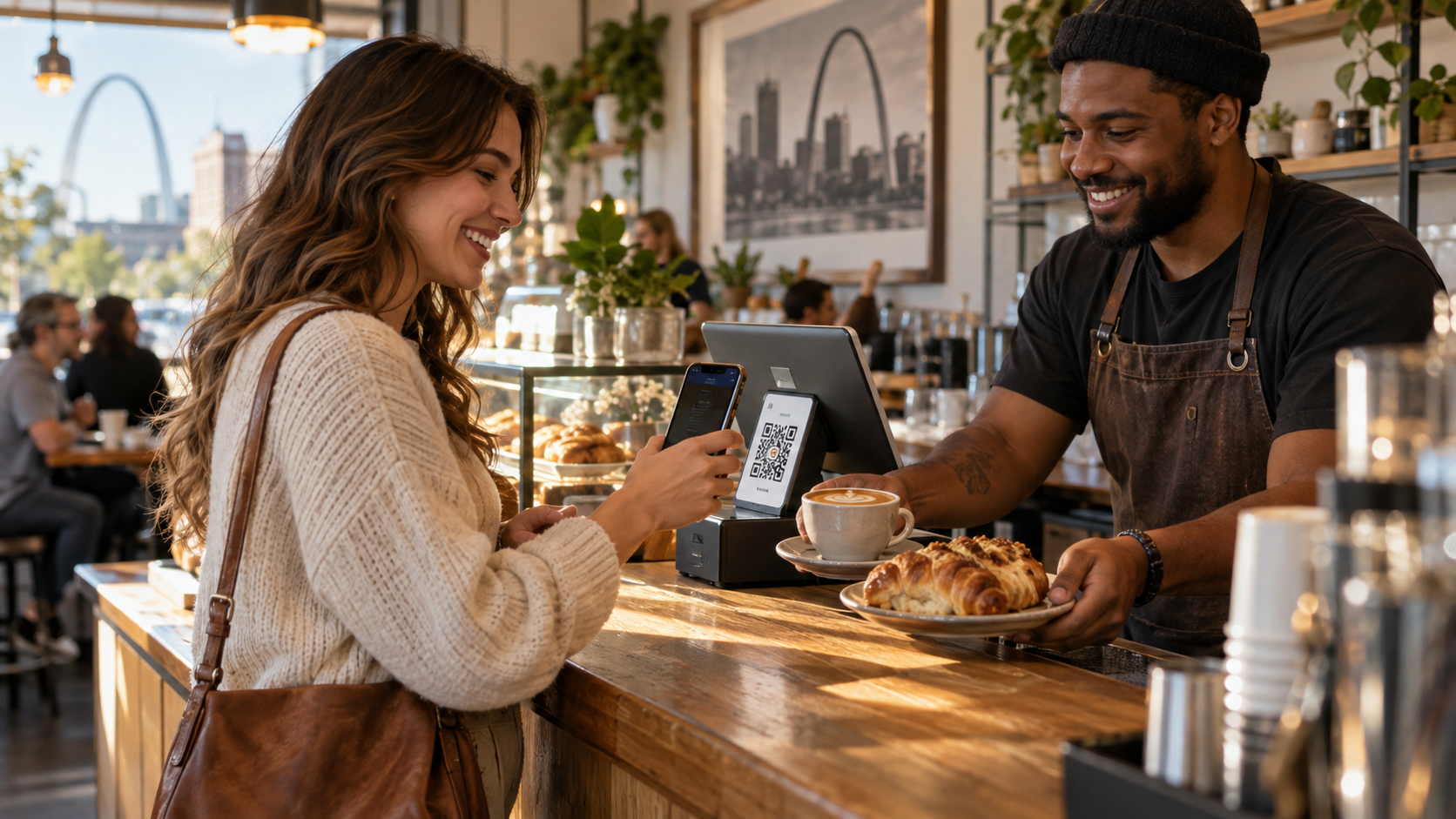
Picture this: you’ve wrapped up a great meal at a St. Louis restaurant, received your receipt, and there’s a QR code inviting you to leave a Google review. Do you stop to scan it, or walk right by? For St. Louis small business owners who’ve tried QR codes for customer reviews, the results can feel like a mystery. The truth is, QR codes for Google reviews do work—if, and only if, you set them up right: with a direct review link, at the perfect moment, and with a clear call to action. This article tackles the real results behind QR codes, cutting through the hype to help you decide if they’re worth the effort—and how to win more Google reviews the smart way. Do QR Codes Work for Google Reviews? A Direct, Honest Answer "QR codes for Google reviews absolutely work — but only if the link, placement, and timing are right. They’re a tool, not a magic button. " — Rising Review Expert Do QR codes work for Google reviews? Yes, but there’s a catch. A review QR code is not a shortcut to instant five-star reputation. Success depends on execution: the QR code must lead directly to your Google review form (not just your Business Profile), be placed where customers naturally pause—like at a checkout counter or after a service—and be introduced with a specific, friendly instruction. When these conditions are met, QR codes make it radically easier for customers to leave a review. But miss any of these pieces—and your QR code may gather dust, just like a business card or random social media post. St. Louis businesses who tried and saw little response are often missing just one of these crucial steps. Set up properly, review QR codes convert in-person goodwill into real, public feedback that helps grow your local search rankings and reputation. What You’ll Learn About QR Codes and Google Reviews What a QR code for Google reviews actually does (and doesn’t do) Conditions that make QR codes effective for customer reviews Industry-specific placement ideas for qr codes Mistakes that lead to underperforming review qr codes Practical steps to create and track a review qr code for your business Why qr codes should be part of a multichannel online reviews strategy What Value Do QR Codes for Google Reviews Actually Offer? How QR Codes Remove Friction in Customer Reviews QR codes answer a key problem in the Google review process: making it as painless as possible for customers to leave a review. Instead of asking someone to search your business name (and risk landing on the wrong listing), a review QR code delivers customers directly to the review prompt with a single scan. This streamlined experience removes nearly all friction—no browser typing, no second-guessing if they’ve found the right business profile, and no need to hunt for that “leave a review” button. As a result, you make it much more likely for happy customers to actually leave feedback in the moment when their positive experience is fresh. Instant access to the review form without typing or searching Directs customers to your Google Business Profile’s review prompt Eliminates confusion and extra steps QR Codes vs. Traditional Online Review Requests Let’s compare the two most common approaches. Traditionally, a customer wanting to leave a review must search for the business on Google, hope they find the correct result, click through the profile, and then hunt for the “Write a Review” prompt. It’s no surprise that only a fraction complete this process. With a QR code for reviews, the action is immediate: scan, tap, and review—all in seconds. This reduction in steps means higher conversion, especially at physical points of service. 
by Mary Theresa McLean 5 September 2026
Imagine a busy Saturday in St. Louis: customers stream into local businesses, and nearly every one decides where to shop or dine based on Google reviews they just scanned on their phones. If you want your small business to stand out in the local pack, attract more customers, and build lasting trust, mastering how to get more Google reviews for small business is absolutely vital. This guide shows you — clearly and step by step — exactly how to do it, so you never fall behind the competition again. How to Get More Google Reviews for Small Business in St. Louis: A Direct Answer  To get more Google reviews for your small business in St. Louis, set up your Google Business Profile; create and share a direct review link or QR code; ask customers promptly after a transaction using channels like email, SMS, receipts, and in-person scripts; and follow a simple, repeatable process. Always respond to reviews and avoid incentivizing or gating requests. These steps ensure you grow authentic reviews, improve your local pack ranking, and establish trust with St. Louis customers who rely heavily on platform reviews to make buying decisions.
by Mary Theresa McLean 4 September 2026
Have you ever wondered how bad reviews actually affect businesses and why the FTC's new crackdown on fake ones matters? Discover the hidden costs and why understanding this shift is crucial for customers and companies alike. What You'll Learn About Bad Reviews and the New FTC Rule Understand the financial impact of bad reviews Recognize the new FTC regulations and what constitutes illegal reviews Learn how to ethically manage negative reviews and build genuine positive reviews Identify actionable steps to protect your business reputation  Opening Perspectives: The Hidden Costs of Bad Reviews
by Mary Theresa McLean 9 July 2026
Posted by Mary Theresa McLean, Founder and CEO | Reviews to Real Revenue
by Mary Theresa McLean 30 June 2026
Imagine unlocking your business’s full potential on Google—only to let it slip away because you assumed your profile was “set and forget. ” In 2026, that approach risks not just missed opportunities, but Google itself taking over your narrative. Your Google business profile roadmap is no longer a background asset—it's now a high-impact, always-on marketing channel that can drive visitors through your door or let them slip to the competition. Are you in control, or is Google filling the gaps for you? What You'll Learn in This Google Business Profile Roadmap How the Google Business Profile roadmap impacts your search results and boosts your local SEO Key changes for business profiles that affect your online presence Step-by-step tasks to manage your business proactively Techniques for leveraging customer reviews and business information Why the Google Business Profile Roadmap Is Essential in 2026 If you’re a business owner who created a Google profile years ago and haven’t touched it since, 2026 is your wake-up call . Google has fundamentally transformed business profiles from static listings into dynamic, interactive channels that directly impact local search rankings, customer reviews, and your overall online presence. Today, if your profile isn’t kept current, Google steps in—pulling information from the web, competitors, or even customer-submitted edits. That means your business information, special offers, phone number, and business description might not reflect your business’s true strengths—or worse, could mislead potential customers. Don't let this disaster happen. This roadmap is designed especially for owners who know the dangers of passive management: loss of control, inaccurate details, missed calls, and even negative reviews left unresolved. The move from “set it and forget it” to “maintain or be replaced” is real. Mastering the Google Business Profile roadmap means not only protecting your brand but also attracting more customers and staying ahead of competitors in local SEO and local search results. Google won’t wait for you to catch up—take back control before your profile becomes a liability. From Static Asset to Live Channel: The 2026 Shift Once-upon-a-time, setting up your business profile on Google meant entering your details and moving on. But in 2026, your profile is a live channel—a heartbeat of your local SEO and real-time connection to potential customers. With consumers expecting up-to-the-minute info, and competition in the search and map pack tighter than ever, a neglected profile fades fast in the rankings. Google now indexes posting activity, photo freshness, review responses to both good and bad reviews, and more. This creates new opportunities to showcase your business—if you stay current—but also new risks if you don’t. Businesses that treat their profiles as passive assets watch as competitors who update regularly are bumped up in search results, getting more calls, questions, and foot traffic. The biggest shift? Inaction is visible. A “quiet” profile signals to Google (and customers) that you might not be open, active, or attentive, which means Google is likely to show alternatives that better reflect real-time relevance. If you want to show your business in its best light, proactive management is the new baseline—not an optional extra. The Real Risk: Google Fills Gaps in Your Business Profile The most urgent, overlooked risk in 2026 is that if you don’t actively manage your google business profile roadmap, Google will take over—automatically populating your profile with information it finds elsewhere online. This can include user-submitted edits, web-crawled data, or even images and answers from third-party sources you don’t control. While automated updates might keep generic info current, they often miss the nuances that matter. Incorrect service areas, old operating hours, even unverified phone numbers can creep in, causing confusion, missed inquiries, or damaging trust with potential and returning customers. In the case of a restaurant, an outdated menu showing old prices can result in an angry (hangry!) customer who saw the menu on your Google profile and thought it was current. Relying on Google’s “fill in the blanks” approach is like handing over the keys to your online reputation. Businesses who allow their profiles to stagnate risk not only losing customers but being misrepresented. Negative reviews may sit unaddressed, special offers go unseen, and your business may become invisible in local search. The new rules are clear: what you don’t manage, Google will—and not always in your favor. You have the power to be in control of your Google Business Profile - just do it regularly. Understanding the Google Business Profile Roadmap What Is a Google Business Profile Roadmap? A google business profile roadmap is a practical, step-by-step strategy that helps you actively manage and optimize all facets of your business profile on Google—from posting updates and monitoring reviews, to keeping your business information and imagery fresh. Think of it as a maintenance checklist for your digital storefront. Instead of hoping your profile attracts the right eyes in local search, you use the roadmap to guide proactive actions that keep you visible, accurate, and competitive. Unlike the set-it-and-forget-it era, today’s roadmap is essential for any business owner who wants to improve local SEO, connect with customers, and drive results without wasting time on trial and error. The best roadmaps leverage proven workflows—pulling in analytics, customer feedback, and competitive insights—to ensure your business profiles deliver a steady stream of calls, visits, and glowing customer reviews and responses. How Google Business Profile Roadmap Shapes Search Results An actively managed business profile tells Google your business is alive and attentive, directly improving your visibility in search results and on Google Maps for better local SEO. Each update—be it a new photo, a response to a review, or an FAQ tweak—signals freshness, which boosts your chances of landing in the coveted “local pack. ” Businesses committed to their roadmap gain a powerful edge in local search results, consistently outranking those with outdated or neglected profiles. Google’s algorithms value engagement, accuracy, and relevance. Profiles with regular updates, current business info, and robust customer reviews see higher click-through rates, more direct actions (calls, directions, website visits), and better conversion. By shaping the data Google sees, you control not just your appearance—but also how many potential customers choose you over competitors. Active roadmap management is the fastest route to first-page placement in search and maps. Local SEO and the Evolving Business Profile Local SEO in 2026 is powered by a reliable, actively curated business profile that helps Google show your business quickly and easily. In a crowded digital landscape, customers find your business faster when your Google profile is up to date—showcasing recent photos, accurate offerings, and engaging content. Google awards higher rankings to businesses that regularly interact with reviews and responses, provide updated service area information, and post offers and news. The evolving expectations require more than periodic check-ins: consistency is rewarded, and automation (when done correctly) can streamline updates across multiple locations. SEO experts recommend regular review responses, content refreshes, and image rotations to stay ahead. The businesses dominating local search aren’t luckier—they’re simply following the google business profile roadmap with discipline and the right set of tools. Why Maintaining Business Information Matters in 2026 Maintaining up-to-date business information is non-negotiable in 2026 to ensure customers find accurate business info and trust your profile. Outdated hours, old contact details, old menus or stale descriptions can lead to frustrated potential customers or even negative reviews. When a customer finds your business, their immediate questions—where are you, when are you open, what do you offer—must be answered at a glance. Google prioritizes profiles where these details are accurate and routinely verified. Letting your business info drift means risking your reputation and search ranking. Even small changes (like holiday hours or new COVID policies) should be reflected in real time. Plus, if Google resorts to pulling these from the web, errors compound, and fixing them retroactively becomes a nightmare. The business owners who win are the ones who never let their profile’s “last updated” date go stale. Eight Key Tasks: Stay Ahead with the Google Business Profile Roadmap 1. Review Responses: Protect and Promote with Customer Reviews Respond promptly to customer reviews to build trust Monitor and flag inappropriate reviews Showcase positive reviews prominently on your business profile Customer reviews are the public-facing proof that your business cares and adapts. A quick response to every review—positive or negative—demonstrates engagement and improves trust with potential customers. Unaddressed reviews do more harm than you think: each one left to linger for more than a few days is an unanswered question to the next person browsing your profile. By actively managing reviews, you not only protect your reputation but boost your local SEO, as Google highlights businesses that engage consistently. ‘A single unanswered review can say more than a hundred polished posts — stay in the reply game.’ 2. Posting Cadence: Feed Fresh Content into Your Business Profiles Set a consistent posting schedule for new updates and offers Highlight seasonal promotions to boost local search visibility Use photos and videos to enhance engagement Google’s algorithms reward fresh, relevant content. Businesses that schedule weekly posts, share news, and promote special offers not only maintain high visibility in the local search results but also foster ongoing customer engagement. This active posting cadence helps return your business to customers’ minds right when they’re searching for your products or services. Use a content calendar to plan updates, showcase your team, and spotlight products—each post is an extra touchpoint that can turn browsers into buyers. 3. Photo Strategy: Show — Don’t Just Tell — with Rich Media Add high-quality photos of your storefront, team, and products Rotate images regularly to stay current and improve search results Add a video short linked in from your YouTube channel. Images are among the first elements customers notice on your profile. Investing in professional, up-to-date photos of your storefront, staff, services, and even your location’s surroundings helps customers find your business and forms a strong first impression. Updating your gallery frequently keeps content relevant, signals activity to Google, and can even push your profile higher in rankings. 360-degree images further enhance trust, offering a virtual window into your place, making it easy for new visitors to recognize you. Businesses with active photo strategies consistently outperform those with generic or outdated images—visual storytelling is now central to standing out on Google. 4. Google Phone Audit: Audit How Customers Connect with Customers Test call controls and responsiveness Update out-of-date contact numbers Leverage call history insights to manage your business activity Your phone number is a direct link between you and new business, yet so often it’s overlooked. Test it: can callers reach you smoothly? Is your staff prepared? Updated, working numbers mean fewer missed opportunities and zero frustrated customers. Google’s new call tracking and history features provide valuable insights into when and how customers connect, highlighting bottlenecks or dropped communications. Regular phone audits are essential for brick-and-mortar shops and service providers alike. 5. FAQ Content: Answer the Questions Customers Actually Ask Include frequently asked questions to improve your business info Update answers based on trending inquiries Use structured keyword-rich content to boost local SEO relevance A strong FAQ section is a shortcut for both customers and Google’s understanding of your business. Regularly updated, structured answers help preempt questions, reduce call volume, and guide potential customers to take action. Google reads and indexes these responses, so optimizing them improves search results placement. Keep content dynamic—new products, services, or policies should trigger updates to your FAQ. 6. 360 Photo Guidance: Enhance the Find Your Business Experience Create a guided virtual tour using 360 photos Update imagery as your business layout evolves Make customers feel more confident before visiting A 360-degree tour is now an expected feature for many businesses. Whether you’re a gym, restaurant, or shop, this immersive content helps customers find your business and visualize visiting before they arrive—reducing uncertainty and boosting foot traffic. Keep these tours fresh by updating them whenever your layout changes or you roll out new features. Customers appreciate transparency, and Google rewards profiles that go beyond basic images. 7. Multi-Location Coordination: Scaling the Google Business Profile Roadmap Maintain consistency across all business profiles Centralize updates for local search success Monitor duplicate locations and merge as needed Managing multiple locations requires a central command. Consistency is critical: operating hours, phone numbers, branding, and descriptions must align across all locations to avoid customer confusion and boost overall search credibility. Google pays attention to duplicate or out-of-date listings—coordinate updates, monitor for errors, and merge duplicates promptly. Efficient coordination ensures your entire business footprint stays accurate in local search. 8. Insights and Reporting: Data-Driven Decisions for Online Presence Use Google insights to track customer actions on your business profile Benchmark performance against local competitors Optimize content and business info based on analytic trends Analytics aren’t just for big brands. Google’s insights tool is a free tool that provides actionable data on how customers interact with your profile—calls, direction requests, website clicks, and more. By reviewing these trends weekly, you identify what’s working and where adjustments need to be made. Businesses that monitor and act on these insights outperform those who simply “hope for the best. ” Over time, these tweaks result in a measurable lift in search visibility, engagement, and ultimately, revenue. ‘Google is now doing the work your profile was supposed to do — optimize, or Google will do it for you, not always in your favor.’ How to Optimize Google Business Profile Roadmap for 2026 Step-by-Step Google Business Profile Roadmap Optimization Audit your business information for accuracy Refresh all photos and add a video tour Schedule weekly posts and updates Review and respond to all customer reviews — good and bad Set up and update FAQs Test all points of contact weekly Monitor insights and adjust based on data Optimizing your Google Business Profile roadmap for local SEO and online presence is straightforward when you follow a proven process. Start with a detailed audit—double check your location, hours, and contact info across all business profiles. Upload crisp, branded photos and a short video tour to enhance your visual appeal. Plan and schedule posts—special offers, events, and updates—so you have a steady drumbeat, not just bursts of activity. Respond promptly to every customer review to boost your business profile’s reputation and improve local SEO through active customer engagement. Refresh your FAQ section with real customer queries and update business information as needed. Run a simple call and contact audit weekly to ensure you never miss a lead. Finally, check Google Profile Insights for actionable trends and adjust your roadmap accordingly. Consistency and attention to detail can transform your profile from a forgotten asset into a driver of local leads and loyal returning customers - the road that leads to real revenue. Dive into our expert walkthrough highlighting real updates, review responses, media uploads, and insights extracted in real time—demonstrating how simple, steady maintenance can supercharge your online presence.  People Also Ask: Google Business Profile Roadmap in 2026 What is the 20% rule in Google? 'The 20% rule refers to... [Expert explanation based on latest guidance]' Answer: The 20% rule in Google historically referenced the principle that any text overlays on images or cover artwork should not exceed 20% of the total image area, to ensure the content remains visually clear and engaging. For Google Business Profile, it also refers to maximizing your most important updates and offers—but not overwhelming visitors. Use concise, high-impact text that makes up about 20% of your visual profile assets, letting photos and videos tell most of your story. How to optimize Google Business Profile 2026? 'Optimization in 2026 is proactive: updating photos and info weekly, actively responding to customer reviews, and leveraging new features to stay ahead.' Answer: Optimizing your profile in 2026 means taking control every week. Audit your business info, refresh images and videos, and respond to every customer review quickly. Use Google’s new features—analytics reports, 360 photos, and updates—to increase your visibility in local search and stay ahead of businesses that let their profiles sit idle. How to create a Google business map? 'Creating a Google business map involves claiming your listing, adding business information, and submitting location data via Google Maps platform.' Answer: To create a business map, start by searching for your business on Google Maps, then select “Claim this business. ” Enter your accurate business information—address, service area, contact details, and hours. Submit verification (usually via postcard or phone), and complete your profile by adding photos, descriptions, and FAQ. Once verified, your business will appear in both search and maps, helping customers find you seamlessly. What are common GMB mistakes? 'Common mistakes include outdated business info, missing reviews, infrequent updates, ignoring new features that can boost local SEO and most important: responding rapidly to reviews both good and bad.' Answer: Avoid letting your profile become neglected: don’t leave incorrect info, ignore reviews (positive or negative), skip posts, or forget about new features like 360 tours. Many business owners also miss key updates to operating hours or fail to merge duplicate listings, causing confusion and harming both local SEO and customer trust. Proactive management and following the google business profile roadmap keeps your profile accurate, compelling, and visible. Frequently Asked Questions about Google Business Profile Roadmap What are the most direct benefits of maintaining my business profile? By actively maintaining your business profile, you ensure your information is always accurate, appear more frequently in local search results, and earn more trust from both potential customers and returning customers. This leads to increased calls, visits, and real revenue. Can I automate any tasks outlined in the google business profile roadmap? Yes, some repeatable tasks like posting updates, scheduling photos, and tracking reviews can be automated with tools or delegated to partners. However, personalization—like review replies—should be reviewed by a real person for best results. How does the roadmap impact first-page local search results? The roadmap’s focus on consistent updates, accurate business info, and user engagement (recent reviews) is exactly what Google’s local algorithm looks for when deciding which business profiles to surface on page one of search results . Key Takeaways: Mastering the Google Business Profile Roadmap Google business profile roadmap is now mission-critical for local SEO Neglect leads Google to auto-populate with its own sources, risking inaccurate business information Active management means more visibility in search results and better customer engagement Leverage tools and partners like Rising Review LLC to stay ahead Move from Passive to Proactive with Your Google Business Profile Roadmap It’s time to move from “set it and forget it” to consistent, proactive management of your Google Business Profile. Don’t surrender the story of your business to someone—or something—else. Visit risingreview.com for more information Take charge of your business profile to ensure every customer finds the real story—your story—first and enhances your online presence. Don’t wait for Google to decide for you.
Two people in a bright office cafe, one smiling at a phone beside a laptop and coffee cup
8 May 2026
Learn to turn happy customers into advocates with simple strategies. Boost your reviews & trust today!
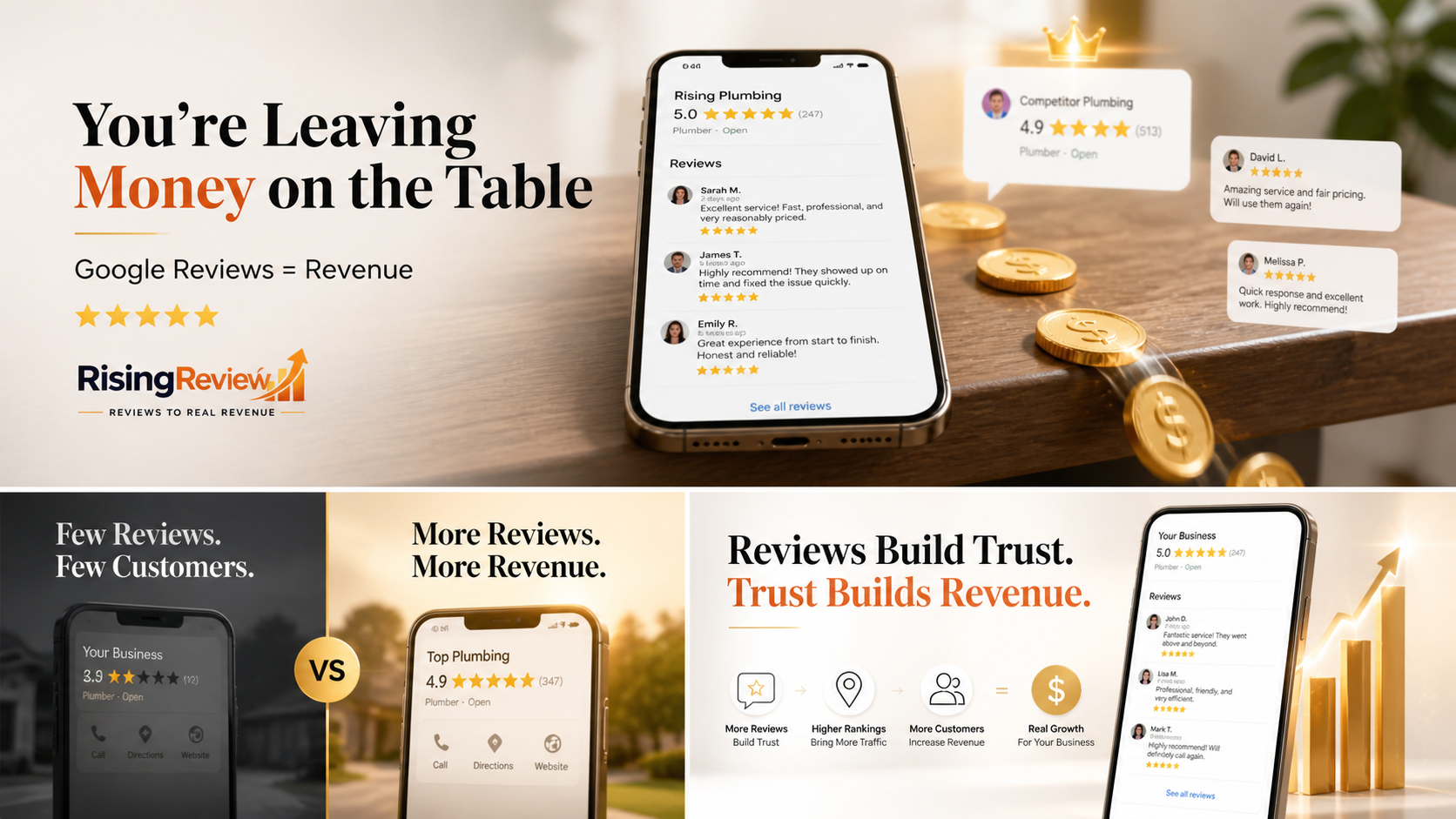
You’re leaving money on the table when ignoring Google reviews, as lost revenue slips away from your
4 May 2026
You’re leaving money on the table if you ignore Google reviews. Learn how reviews, responses, and consistency drive trust, rankings, and real revenue growth.
Person in a blue shirt using a tablet at a desk in a bright office
20 April 2026
Learn to respond to Google reviews to boost trust & loyalty. Improve your online reputation today!